 WEWE Kitchen Faucets
What Does a Rainfall Shower Head YouTube Video Actually Tell You Before You Buy One?
Views:173 classificationProduct
The article is complete. Here’s the full HTML fragment:
“`html
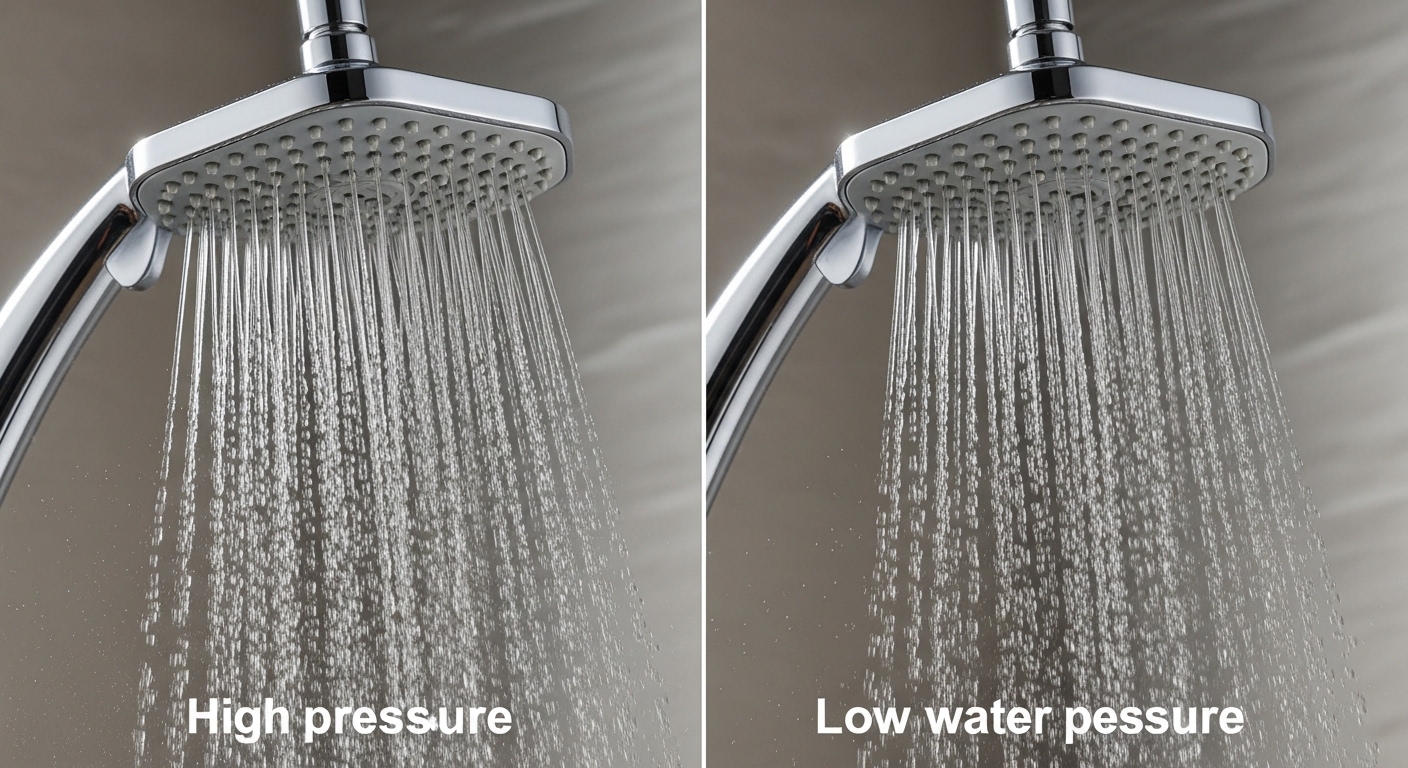
If you’ve spent an evening watching rainfall shower head YouTube reviews and demos, you already know the problem: every video makes the water look amazing, but almost none of them tell you whether that head will feel like a warm downpour or a sad drizzle in your bathroom. That gap — between the glossy demo and your real plumbing — is exactly what this guide fixes. We’ll show you what to actually watch for in those videos, which specs the camera hides, and how to pick a rain head that performs at your home’s water pressure.
Are Rainfall Shower Head YouTube Reviews Actually Reliable, or Just Marketing?
They’re partly reliable — trust them for what the camera captures directly, and ignore them for anything the camera can’t measure. A YouTube demo is excellent for judging spray pattern, droplet size, coverage width, and how quietly (or loudly) the head runs. It’s nearly useless for telling you whether the head has enough backbone for your water pressure, because the reviewer’s home pressure is almost never the same as yours.
Here’s the honest breakdown. When a creator holds a rain head under running water and you see a wide, even sheet of fat droplets, that’s real information — droplet size and pattern are physical properties of the nozzle plate that don’t change much from house to house. But when they say “great pressure!”, that’s their 60 PSI municipal supply talking, not the shower head. Drop that same head onto a gravity-fed system at 25 PSI and it can feel like standing in light rain.
The other thing videos quietly skip: mounting. A 12-inch ceiling-mount rain head in a beautifully lit studio bathroom tells you nothing about whether your existing wall shower arm can support it. So use the video for the sensory stuff — coverage, sound, drop feel — and use the spec sheet plus your own pressure reading for the decisions that actually determine satisfaction.
What Should You Look For in a Rainfall Shower Head Demo Video?
Watch four specific things, in this order: droplet density, coverage width, water-off dribble, and the reviewer’s stated water pressure. Everything else is lighting and vibes.
- Droplet density and size: You want fat, distinct drops that fall with weight, not a fine mist. Mist looks pretty on camera but feels cold fast because it loses heat in the air before it hits you.
- Coverage width: Ask whether the spray covers shoulders-to-shoulders. An 8″ face covers roughly your head and upper chest; 10″–12″ covers full shoulders. Bigger isn’t automatically better if your pressure is low.
- Post-shutoff dribble: Good videos show the head after the water is turned off. A quality silicone-nozzle plate sheds residual water in a couple of seconds. Cheap heads dribble for 20–30 seconds, which stains and drips.
- Stated water pressure or region: The best reviewers tell you their PSI or at least their setup. If they don’t, treat their pressure praise as unverified.
Will a Rainfall Shower Head Work With My Low Water Pressure?
Sometimes — but only if you pick the head for your pressure instead of picking the prettiest one. Below about 40 PSI, a large low-restriction rain head can feel weak, because rainfall heads rely on volume and gravity rather than the pressurized jets of a standard shower head. The fix is choosing a smaller face (8″–9″), a head with a pressure-optimized nozzle plate, and avoiding ceiling mounts that add drop distance.
Rainfall heads work differently from a normal wall head. A traditional head forces water through small angled holes, so it “sprays” and feels forceful even at modest pressure. A rain head spreads water across a wide flat plate and lets it fall — closer to actual rain. That’s the whole appeal, but it also means low pressure shows up more obviously. If your home sits at 25–35 PSI, you’ll feel every missing pound.
Before buying, measure your pressure. A $10 screw-on gauge at the outdoor hose bib or washing-machine tap gives you a real number in 30 seconds. If you’re under 40 PSI, you have three practical moves: choose a smaller-diameter head, look for models specifically tuned for low pressure, or add a shower pump/booster if you’re on a gravity-fed UK-style system. We cover the model-selection side in depth in our companion guide on whether rainfall shower head taps are worth it and how to pick the right one for low water pressure — worth reading before you commit.
How Many GPM Should a Rainfall Shower Head Be for Good Pressure?
For most US homes, a 1.8–2.5 GPM rainfall head hits the sweet spot. The federal maximum is 2.5 GPM, and many efficient heads run at 1.8 GPM. Counterintuitively, on low-pressure systems a slightly higher GPM (2.5) often feels better because more water volume compensates for the gentle fall — but only if your pressure can actually supply that flow.
| Your Home Water Pressure | Recommended Rain Head Size | Best GPM Target | Mount Type |
|---|---|---|---|
| Under 30 PSI (weak / gravity-fed) | 6″–8″ | 2.5 GPM | Wall arm (avoid ceiling) |
| 30–45 PSI (typical low-normal) | 8″–10″ | 2.0–2.5 GPM | Wall arm or short ceiling drop |
| 45–60 PSI (healthy municipal) | 10″–12″ | 1.8–2.5 GPM | Wall or ceiling |
| 60+ PSI (strong) | 12″+ or dual/combo | 1.8 GPM (efficient) fine | Any, ceiling for drama |
One practical note: if your pressure is borderline, look for a head with a removable flow restrictor. Many US-market heads ship with a 1.8 GPM restrictor that’s legal to remove for personal use in some jurisdictions — check local rules — and doing so can noticeably wake up a sluggish rain head. Videos rarely mention this, but it’s one of the most impactful tweaks.
Should You Buy an 8-Inch or 12-Inch Rainfall Shower Head After Watching Reviews?
For most bathrooms and most water pressure, an 8″ or 10″ head is the smarter buy — 12″+ heads look spectacular on YouTube but demand strong pressure and adequate ceiling height to deliver on that promise. A 12″ head at 30 PSI is the single most common disappointment we see from people who bought based purely on a video.
Face diameter is a trade-off, not an upgrade. A larger plate spreads the same volume of water over more area, so each square inch gets less. With generous pressure that’s luxurious full-body coverage. With modest pressure it thins out into a lukewarm drizzle around the edges. The camera flatters the big head because studio setups run high pressure and light the water dramatically.
Height matters too. Rain heads are designed to sit 6–12 inches above your head so the water has room to spread and fall naturally. If you’re tall or your ceiling is low, a bulky ceiling-mount 12″ head may sit too close, killing the “rain” effect. In that case a wall-mounted arm with a gooseneck extension often gives a better result than going bigger.
Is a Combo Rain Head With a Handheld Better Than a Single Rain Head?
For families and real-world cleaning, yes — a combo with a fixed rain head plus a detachable handheld is more practical than a single rain head, and it’s the setup most home-improvement YouTubers quietly end up recommending. The rain head delivers the relaxing overhead soak; the handheld handles rinsing, kids, pets, and cleaning the shower walls — things a fixed overhead head is genuinely bad at.
The trade-off is a diverter valve and a second hose, which means one more connection that can leak over time and slightly more install complexity. If you’re comfortable with basic shower plumbing, it’s a minor step up. If you want to understand the valve side of that install, our walkthrough on how to install a shower faucet trim kit yourself, step by step covers the diverter and trim mechanics in plain language.
How Do You Install a Rainfall Shower Head After Watching a YouTube Tutorial?
For a standard wall-arm rain head, installation is genuinely a 10-minute, no-plumber job — the YouTube tutorials aren’t lying about that. The only tools you need are your hands, plumber’s tape (PTFE thread tape), and maybe an adjustable wrench. Ceiling-mount and in-wall installs are a different story and often do need opening up the wall.
- Turn off the shower and unscrew the old head counterclockwise by hand. Use a wrench with a rag if it’s stuck — never bare metal jaws on a finish.
- Clean the shower arm threads with a rag; scrape off old tape and mineral crust so the new seal is clean.
- Wrap the threads 3–4 times clockwise with plumber’s tape. This is the step most leaks come from skipping.
- Hand-thread the new head clockwise, then snug it about a quarter-turn past hand-tight with a wrench. Do not overtighten — you’ll crack plastic threads or strip metal ones.
- Test at full flow and check the connection for drips. If it weeps, add one more wrap of tape.
If you’re upgrading to a ceiling-mount rain head that needs a new drop or rough-in valve, that’s a real project. Our guides on how to install a shower valve rough-in the right way the first time and adding a shower head slide bar without hiring a plumber will save you from the two most common rework mistakes.
What Are the Downsides Rainfall Shower Head YouTube Videos Don’t Mention?
The big three the demos skip: they run cooler than standard heads, they clog with hard water, and cheap ones dribble and stain. None are dealbreakers, but knowing them ahead of time is the difference between loving your rain head and returning it.
- They feel cooler. Because droplets fall a longer distance through open air, they shed heat before reaching you. In a cold or drafty bathroom, turn the temperature up a notch versus your old head. Enclosed showers and warmer rooms minimize this.
- Hard water clogs the nozzles. Rain heads have dozens of small nozzles. On hard water, mineral scale builds fast. Buy a head with soft silicone/rubber nozzles you can rub clean with a thumb, and plan to descale monthly by soaking the face in white vinegar.
- Cheap heads have weak internals. A $15 head often uses thin ABS plastic that yellows, and a low-grade plate that dribbles after shutoff. Spend a little more for a solid brass or high-grade stainless face.
Speaking of hard water and mineral trouble — if you already notice discoloration in your fixtures, our piece on why rust comes out of your faucet and how to fix it fast explains the plumbing-side causes that also affect shower heads.
How Do You Stop a Rainfall Shower Head From Clogging and Dripping?
Descale it monthly and buy one with rub-clean silicone nozzles — that solves 90% of clogging and post-shower dripping. Fill a plastic bag with white vinegar, tie it over the head so the face soaks for an hour, then run hot water and rub the nozzles. For dripping after shutoff, it’s usually residual water in the plate, not a real leak — a quality head clears in seconds, so persistent dripping means either trapped water in a poorly-drained plate or a worn shower valve upstream.
What’s the Best Rainfall Shower Head to Buy in 2026?
The best one is the one matched to your pressure and mount — not the highest-rated video. For most US homes with 45+ PSI, an 8″–10″ solid-brass or 304 stainless head with silicone nozzles and a 2.5 GPM plate is the reliable sweet spot. For low pressure, go smaller (8″) and skip the ceiling mount. For families, choose a combo with a handheld.
Whatever you choose, verify three things on the spec sheet that videos gloss over: the material (brass or 304 stainless beats ABS plastic), the nozzle type (silicone/anti-clog beats hard drilled holes), and the warranty. A brand willing to back a shower head for 5+ years is telling you something about the internals. At wewefaucet we pressure-test our shower heads across a 25–80 PSI range and to standard connection specs before they ship, precisely because the number that matters most — real-world performance at your pressure — is the one a glossy demo can never show you.
FAQ
Do rainfall shower heads have less pressure than regular ones?
They can feel softer, yes, because they rely on water falling over a wide plate rather than forcing it through pressurized jets. At healthy pressure (45+ PSI) a good rain head feels lush and full; below 40 PSI it can feel weak. Choosing a smaller face and higher GPM restores much of the punch on low-pressure systems.
Can I trust the water pressure shown in a rainfall shower head YouTube video?
Only if the reviewer states their home’s PSI. The spray you see reflects their water pressure, not the shower head’s inherent power. Droplet size and coverage pattern in a video are reliable; the “feel of pressure” is not, unless you know their supply matches yours.
What size rainfall shower head is best for an average bathroom?
An 8″ or 10″ head suits most bathrooms and most pressure levels. It gives full head-and-shoulder coverage without demanding the strong supply a 12″+ head needs. Reserve 12″ and larger for homes with 45+ PSI and adequate ceiling height above the head.
Do I need a plumber to install a rainfall shower head?
Not for a standard wall-arm swap — it’s a 10-minute job with plumber’s tape and maybe a wrench. You only need a plumber (or comfort with opening walls) for ceiling-mount heads, new drops, or a rough-in valve replacement.
How do I keep my rainfall shower head from clogging with hard water?
Buy a head with soft silicone nozzles you can wipe clean, and soak the face in white vinegar once a month to dissolve mineral scale. Rubbing the nozzles after soaking clears the buildup that causes weak, uneven spray and post-shower dripping.
Author note: This guide was written by the wewefaucet fixtures team, drawing on hands-on bench testing of shower heads across a range of home water pressures and years of fielding real customer install questions. wewefaucet designs and sells faucets, shower heads, and bathroom fixtures direct to homeowners, and every shower head we ship is flow- and pressure-tested and backed by our warranty.
“`
您好!please sign in