 WEWE Kitchen Faucets
Shower Faucet Keeps Running When Turned Off? Causes, Fixes & Best Replacement Faucets (2026 Guide)
Views:341 classificationProduct
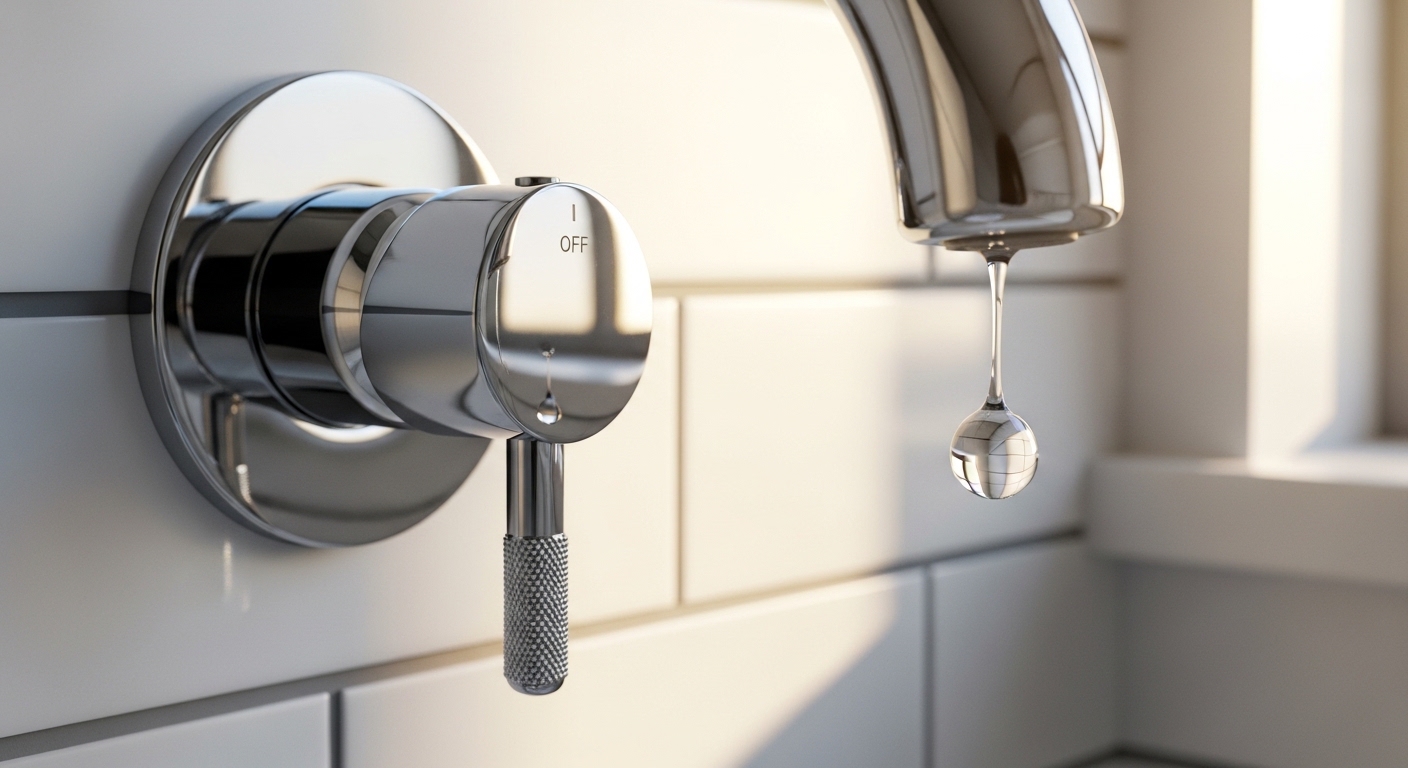
If your shower faucet keeps running when turned off, you are not imagining it, and you are definitely not alone. It is one of the most common bathroom plumbing complaints in American homes, and it almost always points to a small, fixable component inside the shower valve — typically the cartridge, the rubber O-rings, or the seat-and-spring assembly. The frustrating drip-drip-drip you hear at 2 a.m. is more than annoying; the EPA estimates a leaky shower can waste over 500 gallons of water per year per household, which translates to real money on your utility bill. The good news: you usually do not need to call a plumber or tear into the wall. In this guide, we’ll walk through every realistic cause, show you exactly how to diagnose the problem, compare repair vs. replacement, and recommend the best modern shower faucets — including pressure-balanced and thermostatic options from wewefaucet — that are engineered specifically to prevent this issue from happening again.
Why Your Shower Faucet Keeps Running When Turned Off: The Real Causes
Before you buy parts or a new faucet, you need to know what is actually failing. When a shower faucet keeps running when turned off, the source of the leak is almost never the showerhead itself — the showerhead is just the visible exit point. The real culprit lives inside the valve body behind the wall. Here are the five mechanical reasons this happens, ranked from most common to least common in residential setups.
1. A Worn-Out Shower Cartridge (the #1 cause)
Modern single-handle and most two-handle showers use a cartridge — a cylindrical insert that controls hot/cold mixing and on/off flow. Inside the cartridge are rubber seals and a ceramic disc or plastic stem. After 5–10 years of mineral exposure, those seals harden, crack, or get scored by tiny grit particles. When the seal can no longer compress fully against the cartridge body, water sneaks past even when the handle is in the off position. This is why your shower faucet keeps running when turned off even though the handle feels perfectly tight.
2. Damaged Valve Seats and Springs (compression-style faucets)
Older two-handle showers use compression valves with a rubber washer that presses against a brass valve seat. If the seat gets pitted from hard water or the spring loses tension, the washer cannot seal completely, and water keeps trickling through.
3. Failed O-Rings or Diverter Seals
If your shower has a tub spout diverter, a failing diverter seal can let water continuously bypass to the showerhead even when the handle is off. You’ll notice this more if the leak is light but constant.
4. High Water Pressure Forcing Past Worn Seals
Residential water pressure above 80 psi accelerates wear and can push water past seals that would otherwise hold. A pressure-reducing valve (PRV) on your main line can extend the life of every fixture in the home.
5. A Cracked Valve Body or Pinhole in the Cartridge Housing
Less common, but in older brass or zinc-alloy bodies, corrosion can eat a pinhole through the valve. If this is the case, repair is no longer cost-effective — you need a new shower valve.
How to Diagnose Why Your Shower Faucet Keeps Running When Turned Off
Diagnosis takes about ten minutes and a flashlight. The goal is to figure out whether you need a $15 cartridge, a $40 rebuild kit, or a complete shower faucet replacement.
- Confirm the leak source. Dry the showerhead and tub spout with a towel. Wait five minutes. If water reappears only at the showerhead, the diverter or cartridge is failing. If it drips from both, suspect the cartridge.
- Test the handle play. A loose or “spongy” handle usually means the cartridge stem is worn. A handle that turns past its normal stop almost always confirms cartridge failure.
- Listen for hissing inside the wall. Faint hissing with the handle off indicates pressurized bypass — water is forcing past the seal.
- Check the water temperature of the drip. Hot-only drip suggests the hot-side seal has failed. Cold-only drip points to the cold side. Mixed (lukewarm) drip means a full cartridge replacement is needed.
- Inspect the brand stamp. Look at the trim plate or handle for a maker mark. Cartridges are not universal — you’ll need the matching part number.
If you’ve never opened a shower valve before, the steps are similar to what we cover in our guide on how to fix a stiff faucet handle that’s hard to turn — the cartridge access procedure is essentially identical. And if you find the entire valve corroded, our piece on brass vs zinc faucets and which lasts longer explains why a full upgrade often makes more financial sense than repeated repairs.
Repair or Replace? An Honest Cost Comparison
This is where homeowners get stuck. Below is a side-by-side breakdown of what you’ll actually spend, how long the fix lasts, and the real-world hassle involved.
| Fix Option | Typical Cost (DIY) | Typical Cost (Plumber) | Expected Lifespan | Best For |
|---|---|---|---|---|
| Replace cartridge only | $15–$45 | $150–$280 | 5–10 years | Faucet is under 10 years old, finish still looks good |
| Full rebuild kit (O-rings, seats, springs) | $25–$60 | $180–$320 | 4–8 years | Older two-handle compression valves |
| Replace trim only (handle + escutcheon) | $60–$180 | $220–$400 | Cosmetic, not a leak fix | Style refresh after cartridge repair |
| Complete shower valve replacement | $120–$350 | $450–$900+ | 15–25 years | Valve body is corroded, leaking inside the wall, or 15+ years old |
| Upgrade to pressure-balanced wewefaucet valve | $160–$320 | $500–$950 | 20+ years (limited lifetime warranty) | Long-term reliability, scald protection, modern aesthetic |
If your existing valve is more than 12–15 years old, replacement is almost always smarter. A new pressure-balanced or thermostatic shower valve costs less than two service calls, eliminates the running-water issue at its root, and adds scald protection that older valves simply do not have. For tips on managing the labor side, see our breakdown on how to save money on faucet installation.
Step-by-Step: How to Replace a Shower Cartridge
This is the fastest, cheapest way to stop a shower faucet that keeps running when turned off — assuming the valve body itself is still in good shape. Total time: about 30–45 minutes.
- Shut off the water. Use the main shutoff or the integrated stops behind the trim plate (newer Moen, Delta, Kohler, and wewefaucet valves usually have these).
- Open the shower handle to drain residual pressure.
- Remove the handle. Pop the index cap with a flat-head, loosen the set screw, and pull the handle off. Then remove the escutcheon plate.
- Pull the retaining clip. Use needle-nose pliers — do not lose this clip; it’s tiny and essential.
- Extract the cartridge. Grip the stem with pliers and pull straight out. Stubborn cartridges may need a cartridge puller tool ($15 at any hardware store).
- Install the new cartridge. Lubricate the new O-rings with plumber’s silicone grease (never petroleum jelly), align the hot/cold notches correctly, and seat fully.
- Reassemble in reverse order.
- Turn water back on slowly and test for leaks before reinstalling the trim plate.
Choosing a Replacement Shower Faucet That Won’t Run When Turned Off
If you’re going the replacement route, this is where buying smart matters. Cheap shower valves are notorious for premature cartridge failure — which is exactly the problem you’re trying to escape. Here’s what to look for.
Valve Body Material
Solid forged brass is the gold standard. Avoid zinc-alloy bodies in the wet portion of the valve — they corrode and develop pinholes within 5–8 years in hard-water regions.
Cartridge Quality
Ceramic disc cartridges last dramatically longer than rubber-seal-only designs. wewefaucet uses ceramic disc cartridges tested to 500,000 open/close cycles, exceeding the ASME A112.18.1 / CSA B125.1 industry standard.
Pressure-Balanced vs. Thermostatic
Pressure-balanced valves (required by code in most U.S. jurisdictions for new installs) prevent scalding when someone flushes a toilet. Thermostatic valves go further and hold the exact temperature you set, regardless of pressure changes — ideal for households with kids or elderly users.
Certifications and Warranty
Look for cUPC, NSF/ANSI 61, NSF/ANSI 372 (lead-free), and IAPMO listings. A real manufacturer backs the product with a limited lifetime warranty on the valve and finish — read the fine print, as we explain in our guide to understanding faucet warranty terms before you buy.
Finish Durability
PVD (Physical Vapor Deposition) finishes resist scratches, hard-water etching, and tarnishing far better than electroplated finishes. wewefaucet’s brushed nickel and matte black trim use PVD coatings tested for 1,000+ hours of salt-spray resistance.
wewefaucet Shower Faucet Lineup: Built to Prevent Constant Drip
At wewefaucet, every shower valve is engineered with three goals: stop the running-water problem before it starts, last decades, and look modern in any bathroom. Here’s how our most popular shower faucets compare.
| Model | Valve Type | Material | Cartridge | Best Use Case |
|---|---|---|---|---|
| wewefaucet Aria Pressure-Balanced | Pressure-balanced single handle | Forged brass | Ceramic disc, 500k cycles | Most U.S. bathrooms, code-compliant new install |
| wewefaucet Lumen Thermostatic | Thermostatic dual-control | Forged brass + stainless trim | European-spec ceramic | Families with kids, master baths |
| wewefaucet Cove Rain Shower System | Pressure-balanced + diverter | Forged brass | Ceramic disc | Spa upgrades with rainhead + handheld |
| wewefaucet Pillar Tub & Shower Combo | Pressure-balanced with diverter | Forged brass | Ceramic disc | Tub-shower replacements |
Pairing the right valve with the right showerhead matters too. If you’re upgrading, take a quick look at our overview of different types of shower heads to make sure your new system performs the way you expect.
Preventing the Problem From Coming Back
Even the best shower faucet will eventually wear out if it’s neglected. A few small habits dramatically extend the life of your valve and prevent your shower faucet from ever keeping running when turned off again.
- Install a whole-house water softener if your water hardness exceeds 7 grains per gallon. Mineral scale is the #1 destroyer of shower cartridges.
- Add a pressure-reducing valve if static pressure exceeds 80 psi. Most U.S. homes benefit from a 60–70 psi setpoint.
- Don’t crank the handle past resistance. Tightening “extra hard” only damages the seal faster.
- Flush the valve annually. Shut off the water, pull the cartridge, and rinse with white vinegar to dissolve scale.
- Replace the cartridge proactively every 8–10 years even if it isn’t leaking yet — it’s cheap insurance.
- Use silicone grease, not Vaseline, on O-rings during any service.
When to Call a Licensed Plumber
DIY handles the cartridge swap easily, but call a pro if any of these are true: you see water damage on the wall or ceiling below the shower, the valve body itself is leaking, you have an older soldered-copper system and aren’t comfortable with shutoffs, or your home is on a slab and the valve is more than 15 years old. A failed valve body that’s leaking inside the wall can cause thousands of dollars in damage and is not a place to learn on the job.
Author Note & Brand Credibility
About the Author: This article was written by the wewefaucet product education team, which includes ASSE-certified plumbing professionals and product engineers with a combined 25+ years of experience designing residential shower valves. Every recommendation in this article was reviewed against current IAPMO Uniform Plumbing Code (UPC) requirements and ASME A112.18.1 / CSA B125.1 performance standards.
About wewefaucet: wewefaucet is a dedicated faucet and bathroom fixtures brand serving North American homeowners directly. Every wewefaucet shower valve is independently lab-tested to 500,000 cycles, cUPC and NSF/ANSI 61 / 372 certified lead-free, and backed by a limited lifetime warranty on both the valve mechanism and the finish. Replacement cartridges remain in stock for every model we have ever sold — so a faucet you buy today will still be serviceable a decade from now.
FAQ
Why does my shower faucet keep running when turned off even after I replaced the cartridge?
The most common reason is that the valve seat — the surface the cartridge presses against — is pitted or scored. A new cartridge cannot seal against a damaged seat. Inspect the inside of the valve body for rough spots, and use a seat-dressing tool to smooth it, or replace the entire valve if pitting is deep.
Is a constantly dripping shower dangerous or just annoying?
It’s both. Beyond wasting 500+ gallons of water per year, persistent moisture promotes mold and mildew in grout and caulk, and over time can cause subfloor rot if water tracks back along the valve body. Fix it within a few weeks, not a few years.
Can high water pressure cause my shower faucet to keep running when turned off?
Yes. Pressure above 80 psi accelerates seal wear and can physically force water past worn cartridges. If you keep replacing cartridges every couple of years, install a pressure-reducing valve set to 60–70 psi as a permanent fix.
How long should a shower cartridge last before it starts leaking?
In soft water with normal pressure, 10–15 years is realistic. In hard water or high-pressure conditions, expect 5–8 years. wewefaucet ceramic disc cartridges are rated for 500,000 cycles — roughly 25+ years of normal household use.
Will a more expensive shower faucet really prevent this problem?
Not the price tag itself — the construction. What prevents the running-water issue is a forged brass body, a high-cycle ceramic disc cartridge, and lead-free certification. Many mid-priced wewefaucet models include all three, while some “luxury” branded valves still use zinc-alloy internals. Always check materials and certifications, not just the brand name.
Do I need to replace the whole shower valve or just the trim?
Trim is purely cosmetic — the handle and escutcheon plate. The valve body (in the wall) is what controls water. If your valve body is in good shape and the right brand/model, you can replace just the cartridge and trim. If the body is corroded or you’re upgrading to pressure-balanced for code compliance, you’ll need to open the wall and replace the valve body too.
Are wewefaucet shower faucets covered by warranty if they start running when turned off?
Yes. wewefaucet shower valves carry a limited lifetime warranty covering the cartridge, valve body, and finish for the original residential owner. If a wewefaucet shower faucet keeps running when turned off due to a defect in materials or workmanship, we ship a replacement cartridge or trim component at no charge.
您好!please sign in