 WEWE Kitchen Faucets
Where Can I Find a Chrome Faucet Near Me That Actually Lasts?
Views:122 classificationProduct
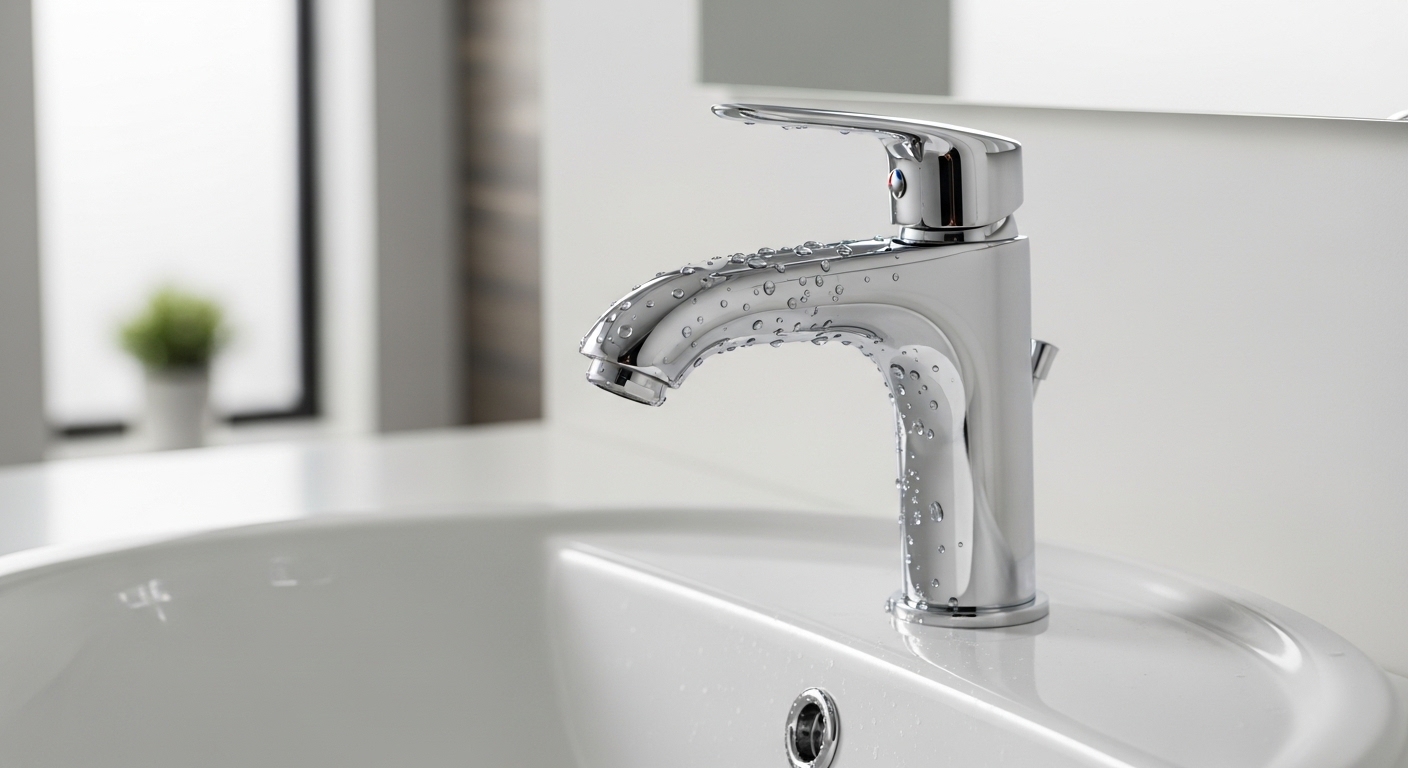
If you’ve been typing chrome faucet near me into your phone hoping a store two miles away has the right one in stock, you already know the frustration: three chrome faucets on the shelf, no spec sheets, a bored associate, and no idea whether the thing will drip in six months. Chrome is the most popular faucet finish in America for a reason — it’s bright, easy to clean, and it goes with everything — but “near me” and “good” don’t always overlap. This guide walks you through what actually matters when you buy a chrome faucet, whether you grab it locally or order it, so you end up with a fixture you don’t have to think about again.
Should I buy a chrome faucet near me at a store, or order one online?
Order online from a fixture specialist unless you need the faucet in the next two hours. Local stores win on immediacy, but they lose on selection, spec transparency, and price — and a faucet is a 10-year purchase, not an impulse buy.
Here’s the honest trade-off. When you walk into a hardware store, you see maybe 6–12 chrome faucets, mostly builder-grade, and you can’t inspect the cartridge or read the real flow rate without opening a box. Online, you can compare 50 models, read the exact valve type, see the warranty in writing, and check whether it’s an ADA-compliant lever. The one thing a store gives you — instant possession — only matters if you have a burst supply line and a house full of shut-off water.
For most people, the smarter play is to measure your sink, order the right faucet, and install it on the weekend. If you’re mid-emergency and just need water flowing tonight, a nearby store is fine — just plan to upgrade later.
| Factor | Local store (near me) | Online specialist (e.g. WEWE) |
|---|---|---|
| Selection of chrome models | 6–12 typical | 50+ with filters by holes, height, flow |
| Spec visibility | Box only, often vague | Full cartridge, flow rate, material listed |
| Price for comparable quality | Higher (retail markup) | Often 15–30% lower |
| Speed to hand | Same day | 2–3 day shipping |
| Warranty clarity | Ask an associate | Printed, lifetime on many models |
| Return / exchange | Drive back | Prepaid label |
What should I actually check before buying any chrome faucet?
Check five things before you pay: the hole configuration of your sink, the valve/cartridge type, the material and lead-safety certification, the flow rate, and the warranty. Get those right and the finish takes care of itself.
Chrome is a plating, not a structural material — it’s a thin, bright layer over a base metal. So the finish tells you almost nothing about how long the faucet lasts. The guts do. Here’s what to look for, in plain language:
- Hole configuration: Count the holes in your sink or countertop. A single-hole sink needs a single-hole faucet; a 3-hole sink (8″ spread) needs a widespread or a centerset. Mismatch this and nothing else matters. If you’re unsure how your sink is drilled, our guide on what a centerset faucet is breaks down the common layouts.
- Cartridge / valve: A ceramic disc cartridge is the gold standard — it’s what stops the drips. Rubber-washer valves are cheaper and fail faster. Chrome or not, insist on ceramic disc.
- Body material: Solid brass is the durable choice; zinc alloy is lighter and cheaper but corrodes sooner. A “lead-free brass” body certified to NSF/ANSI 61 and 372 is what you want for anything that touches drinking water.
- Flow rate: Kitchen faucets are typically 1.5–1.8 GPM; bathroom faucets 1.2 GPM or lower. WaterSense-labeled models save water without feeling weak.
- Warranty: A lifetime finish-and-function warranty signals the maker trusts the plating and the cartridge. Anything shorter than 5 years is a flag on a chrome faucet.
Why does chrome cost less than brushed nickel or matte black — and is it worse?
Chrome usually costs less because it’s the highest-volume finish and the plating process is mature and cheap to scale — not because it’s lower quality. A well-made chrome faucet outlasts a poorly made matte black one every time.
Chrome’s low price is a manufacturing story, not a quality story. Electroplating bright chrome has been done at massive scale for decades, so the per-unit cost is low. Finishes like brushed gold, matte black, or champagne bronze involve extra coating steps (often a PVD process), lower volumes, and a premium people are willing to pay for the look — so they cost more.
Where chrome genuinely shines: it’s the easiest finish to clean (a quick wipe removes water spots), it never looks dated, and it hides wear better than matte finishes, which can show scratches and cleaner damage. Its one weakness is that it shows water spots and fingerprints more than brushed finishes — a real consideration in a hard-water home. If your water is hard, pair a chrome faucet with regular vinegar wipe-downs, or lean toward a spot-resistant variant.
| Finish | Relative cost | Shows water spots | Best for |
|---|---|---|---|
| Polished chrome | $ (lowest) | Yes, most | Classic, bright, easy-clean baths & kitchens |
| Brushed nickel | $$ | Least | Warm, hides spots, transitional style |
| Matte black | $$$ | Some | Modern, bold; can show mineral buildup |
| Champagne bronze / gold | $$$ | Least | Warm luxury look, higher budget |
Which chrome faucet is right for my kitchen vs. my bathroom?
For a kitchen, get a chrome pull-down or pull-out with a ceramic disc cartridge and a spout height that clears your tallest pot. For a bathroom, match the faucet to your sink’s holes — single-hole for a vessel or small vanity, centerset or widespread for a standard 3-hole sink.
They’re different jobs, so don’t cross-shop them. A kitchen faucet has to fill pots, rinse produce, and spray down a sink, so reach, spout height, and a retracting sprayer matter most. If you’ve ever fought a sprayer that won’t snap back, you’ll appreciate why the docking magnet quality matters — we cover that failure in why a pull-down faucet won’t retract. And before you buy, confirm you’re getting the right physical size for your sink using our kitchen sink faucet sizing guide — spout reach and height are easy to get wrong online.
A bathroom faucet is about proportion and hole count. A tall single-hole faucet looks great on a vessel sink but can splash a shallow basin. A centerset (single unit on a 4″ spread) suits most standard vanities. A widespread (three separate pieces on an 8″ spread) reads more upscale. If your vanity is a single-hole drill, our breakdown of the single-hole faucet for a vanity will save you a return.
How do I install a chrome faucet myself, and how long does it take?
Most chrome faucets install in 45–90 minutes with an adjustable wrench, a basin wrench, plumber’s tape, and a bucket. The steps are the same regardless of finish: shut off water, disconnect the old faucet, drop in the new one, connect supply lines, and test for leaks.
Here’s the realistic sequence:
- Shut off the water at the two valves under the sink and open the faucet to relieve pressure.
- Disconnect the supply lines from the old faucet with a basin wrench, then remove the mounting nuts and lift the old faucet out.
- Clean the deck — scrape off old putty or gasket residue so the new faucet seats flat.
- Set the new faucet through the hole(s), add the gasket or a bead of plumber’s putty, and tighten the mounting hardware from below.
- Connect the supply lines, wrapping threads with plumber’s tape. Make sure your lines are the right length and size — our guide on measuring faucet supply line size keeps you from making a second hardware run.
- Turn the water back on slowly, remove the aerator, and run water for a minute to flush debris. Then check every joint for drips.
The two things beginners underestimate: a basin wrench is nearly mandatory for the cramped nuts behind the sink, and old supply lines are worth replacing while you’re in there — they’re cheap insurance against a leak.
Is a cheap chrome faucet from a big-box store a mistake?
Not always — but a $25 builder-grade chrome faucet is usually a false economy. It often uses a zinc body and a rubber-washer valve, which means drips within a year or two and a finish that can flake. Spend a bit more for a solid-brass body with a ceramic cartridge and you’ll skip the replacement.
The math is simple. A bargain faucet that fails at 18 months and gets replaced costs you two faucets plus two installs. A quality chrome faucet with a lifetime warranty costs more upfront and then disappears from your to-do list for a decade. The finish looks identical on day one; the difference shows up on day 500. This is exactly why reading the spec — not just eyeballing the shine at the store — is the whole game.
Author note & why trust WEWE
This guide was written by the WEWE Faucet product team, drawing on hands-on testing of hundreds of faucet cartridges, finishes, and mounting systems across kitchen and bath lines. WEWE builds faucets around solid-brass bodies, ceramic disc cartridges rated for 500,000+ open-close cycles, and finishes tested for corrosion and abrasion resistance. Our chrome faucets meet NSF/ANSI 61 & 372 lead-safety standards and carry a limited lifetime warranty on both finish and function — the same standard we’d want in our own homes. If a fixture doesn’t pass our own drip and torque testing, it doesn’t ship.
FAQ
Is a chrome faucet good for hard water?
Chrome works fine with hard water, but it shows mineral spots more than brushed finishes. Wipe it with a soft cloth after use, and do a monthly vinegar wipe to dissolve buildup. The plating itself is unaffected by hard water — it’s purely a cosmetic spotting issue, not a durability one.
How long does a good chrome faucet last?
A quality chrome faucet with a solid-brass body and ceramic disc cartridge typically lasts 10–20 years. The finish outlasts the internals in most cases, which is why the cartridge quality — not the shine — determines real lifespan. Cheap zinc-body faucets often fail in 1–3 years.
Can I put a chrome faucet on a sink that had brushed nickel before?
Yes, as long as the new faucet matches your sink’s hole configuration. Finish has nothing to do with fit — a single-hole chrome faucet drops into any single-hole sink. Just confirm the hole count and spread (4″ centerset vs. 8″ widespread) before ordering.
Why is my new chrome faucet already spotting or looking cloudy?
That’s almost always dried mineral deposits from hard water, not damage to the chrome. Wipe with a 50/50 vinegar-water solution and buff dry. If the cloudiness is under the surface and won’t wipe off, that points to a low-quality flash-chrome plating — a reason to buy from a maker that publishes finish testing.
Do I need a plumber to install a chrome faucet?
Most homeowners can install a chrome faucet themselves in under 90 minutes with a basin wrench and plumber’s tape. You only need a plumber if your shut-off valves are seized, your supply lines are corroded, or you’re changing the number of holes in the sink. Otherwise it’s a straightforward DIY job.
What’s the difference between polished chrome and brushed chrome?
Polished chrome is the bright, mirror-like finish most people picture; brushed chrome has a satin, matte-gray texture that hides water spots and fingerprints better. Both are equally durable — the choice is purely about look and how much cleaning you want to do.
您好!please sign in