 WEWE Kitchen Faucets
Is a Polished Nickel Faucet from Rohl Worth It, or Is There a Smarter Way to Get the Look?
Views:50 classificationProduct
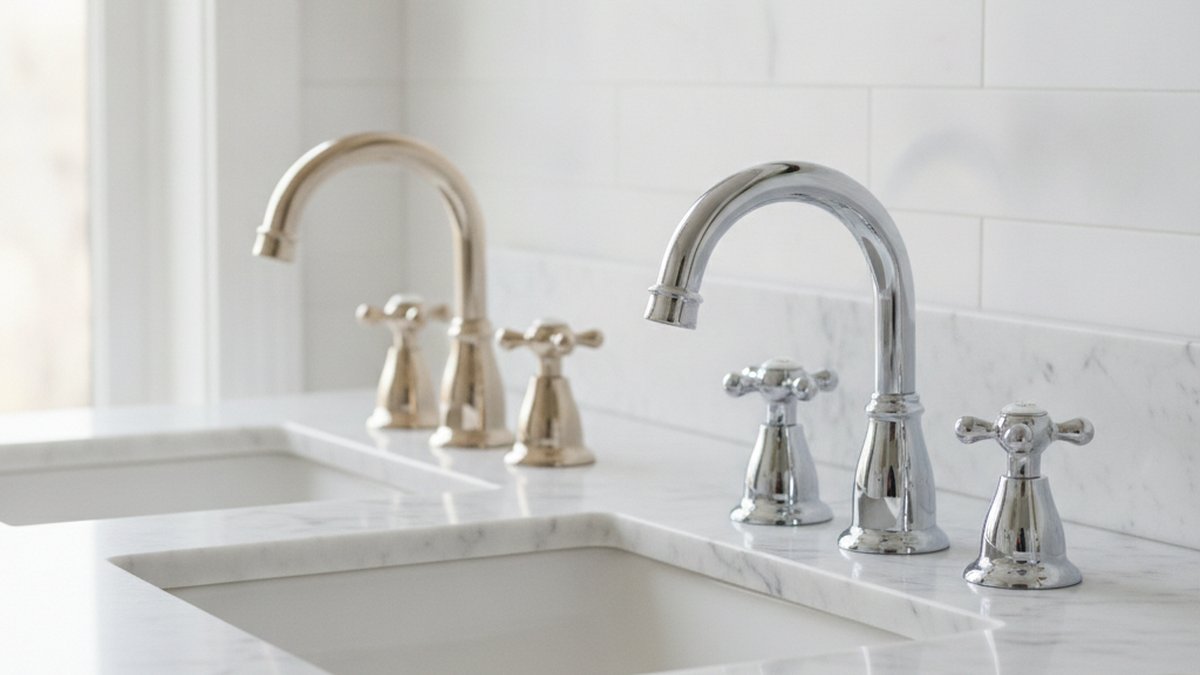
If you’ve been searching “polished nickel faucet rohl,” you’re almost certainly deep in a bathroom or kitchen project, you’ve fallen for that warm, buttery-silver glow, and now you’re trying to decide whether Rohl’s price tag is justified — or whether you can get the same look for less. This guide answers that head-on: what polished nickel actually is, why Rohl charges what it does, how the finish behaves in real bathrooms and kitchens over years of use, and exactly when a lower-cost alternative makes more sense.
We’ll stay strictly on faucets and fixtures, give you concrete numbers and specs, and skip the fluff. By the end you’ll know whether to click “buy” on a Rohl, or to spend that money elsewhere in your build.
What exactly is a polished nickel finish, and how is it different from chrome?
Polished nickel is a warm, slightly golden silver finish created by electroplating nickel over a brass faucet body and then buffing it to a high shine. The quick difference from chrome: chrome is cooler, bluer, and mirror-hard; polished nickel is warmer, softer, and picks up the colors around it — it looks like liquid metal rather than glass.
Here’s why that matters for a real bathroom. Chrome reads modern and clinical. Polished nickel reads classic, luxurious, and a touch antique — which is exactly why it dominates traditional and transitional design. Under warm bulbs it glows almost champagne; under cool daylight it stays silvery. That color-shifting quality is the whole appeal, and it’s the reason people specifically hunt for a polished nickel faucet rohl makes rather than “just grabbing chrome.”
A few practical traits worth knowing before you commit:
- It shows fingerprints and water spots more than brushed finishes, less than mirror chrome. Softened water and a quick wipe keep it flawless.
- It develops a faint living patina over years, warming slightly. Purists love this; if you want it dead-consistent forever, that’s worth knowing.
- It pairs beautifully with marble, unlacquered brass accents, white porcelain, and warm woods.
If you’re weighing polished nickel against a straight chrome build, it’s worth reading our take on where to find a chrome faucet that actually lasts — the durability logic there applies to nickel too, because both live or die on the quality of the brass body underneath the plating.
Why is a Rohl polished nickel faucet so expensive?
A Rohl polished nickel faucet is expensive — typically $600 to $1,600 — because you’re paying for solid forged-brass bodies, thick multi-layer plating, ceramic disc cartridges rated for hundreds of thousands of cycles, European or heritage design lineage, and a lifetime residential warranty. It’s a luxury fixture, priced like one.
Break down where the money actually goes:
- Forged brass, not zinc. Rohl bodies are heavy solid brass. Cheap faucets use zinc alloy (pot metal) that corrodes and cracks at threaded joints within a few years. You can feel the difference the moment you lift one.
- Plating thickness. Nickel plating quality is all about the microns. Thin plating flakes and yellows; Rohl’s is thick and even, which is why the finish holds its warm tone.
- Cartridge quality. Ceramic disc cartridges are the part that leaks first. Premium cartridges are smoother to turn and dramatically longer-lived.
- Design and heritage. Collections like the Country Bath, Georgian Era, and their Italian-made lines carry real design pedigree — bridge faucets, porcelain lever handles, cross handles. You’re buying a look that’s hard to fake.
- Warranty and support. A lifetime finish-and-function warranty on residential use, with parts availability years down the road.
Is all of that worth it? For a forever-home primary bath or a heirloom kitchen where the faucet is the jewelry of the room — often yes. For a guest bath, a rental, or a flip, that’s a lot of money sitting on a sink that gets used twice a month.
Rohl vs. wewefaucet polished nickel: which should you actually buy?
Buy Rohl if you want a specific heritage collection, Italian craftsmanship, and a lifetime warranty and the budget supports it. Buy a wewefaucet polished nickel faucet if you love the finish and the silhouette but want to spend 60–80% less and put the savings toward tile, stone, or a better shower system. Both give you a warm, real polished nickel look — the gap is in brand pedigree, warranty length, and price.
Here’s an honest side-by-side so you can decide fast:
| Factor | Rohl polished nickel | wewefaucet polished nickel |
|---|---|---|
| Typical price (single faucet) | $600–$1,600 | $150–$400 |
| Body material | Solid forged brass | Solid brass |
| Cartridge | Premium ceramic disc | Ceramic disc |
| Finish warranty | Lifetime (residential) | Limited lifetime / multi-year |
| Design lineage | Heritage / European collections | Classic + transitional styles |
| Parts availability | Excellent, long-term | Good, standard cartridges |
| Best for | Forever-home statement bath/kitchen | Budget-conscious remodels, multiple baths, rentals |
The real-world truth: to the eye, a quality polished nickel faucet from a value brand and a Rohl look strikingly similar on the vanity. The differences reveal themselves over 10–20 years and in resale-level warranty coverage. If this is your dream primary bath and you’re staying put, Rohl’s longevity story earns its keep. If you’re doing three bathrooms or you like to refresh your style every decade, the math tilts hard toward a value brand.
Does polished nickel work for a kitchen faucet, or just the bathroom?
Polished nickel works beautifully in the kitchen — it’s arguably even better there than chrome because it hides water spots slightly better and its warmth flatters wood cabinetry and warm-toned countertops. The main consideration is maintenance: a kitchen faucet gets touched constantly, so a polished (shiny) finish shows fingerprints more than a satin or brushed one.
If you cook a lot and hate wiping, you have two smart moves. First, choose a pull-down with a smooth, easy-to-grab spray head so you’re touching the sprayer, not smearing the whole spout. Second, keep a soft microfiber cloth in the cabinet and give it a five-second wipe after dishes. That’s genuinely all polished nickel needs to stay gorgeous.
For hard-water households, the finish itself is fine — mineral spotting is a water problem, not a finish flaw. A simple wipe and the right cleaner solve it. We break down exactly what to use (and what to avoid, because acidic and abrasive cleaners will dull nickel fast) in our guide to the best faucet cleaner for hard water, chrome, and brushed finishes. The same rules keep polished nickel looking new.
How do you keep a polished nickel faucet from looking cloudy or spotted?
Keep polished nickel bright by wiping it dry after use, cleaning it only with mild dish soap and warm water on a soft cloth, and never using abrasive pads, ammonia, bleach, or acidic (vinegar/lime) cleaners that etch and dull the finish. That’s the entire maintenance routine — it’s low-effort, not high-maintenance.
Here’s the step-by-step that keeps any polished nickel faucet, Rohl or otherwise, looking showroom-fresh:
- Daily (5 seconds): wipe with a dry microfiber cloth after the sink’s last use to stop water spots before they form.
- Weekly: a drop of dish soap in warm water, wipe, rinse, dry. Done.
- Hard-water spots: a cloth dampened with 50/50 water and a nickel-safe cleaner — never full-strength vinegar left to sit.
- Never: Magic Erasers, steel wool, powdered abrasives, or acidic descalers directly on the finish. These micro-scratch the shine permanently.
Follow that and your finish outlives the trends. Neglect it in a hard-water home and you’ll see cloudiness — but that’s spotting on the surface, not the plating failing. It wipes away.
What sink and configuration should you pair with a polished nickel faucet?
Pair a polished nickel faucet with white porcelain, marble, or a light quartz for classic contrast, and match the faucet’s hole configuration to your sink: single-hole for compact vanities, widespread (three holes, 8″ spread) for a traditional look, or a bridge/centerset for heritage styling. The finish is flexible — the fit is what trips people up.
Before you fall for a specific Rohl collection or any polished nickel faucet, confirm your sink’s drillings. A widespread faucet will not sit on a single-hole sink, and vice versa. If you’re working with a compact or vessel vanity, our guide to choosing a single hole faucet for a bathroom vanity walks through exactly how to measure and what fits. Polished nickel looks especially rich on the elegant, slim silhouettes single-hole and widespread designs allow.
Style-wise, polished nickel is the “safe luxury” choice: it reads high-end without locking you into ultra-modern or ultra-traditional. If you’re deciding between warm metals generally, it’s worth comparing the vibe against a gold/brass direction — our breakdown of whether a single handle faucet in gold is worth it covers how warm finishes behave in real rooms, which helps you choose between nickel’s silvery warmth and gold’s brighter statement.
Is polished nickel a good long-term investment, or will you regret it?
Polished nickel is one of the safest long-term finish choices you can make, because it’s a decades-old classic rather than a trend — it won’t look dated in ten years the way some fashion finishes do. You’ll only regret it if you expected a maintenance-free, spot-proof surface, because it does need the occasional wipe.
Think of it in resale and longevity terms. Chrome is timeless but cool and common; matte black is on-trend but can read dated as trends shift; polished nickel sits in the sweet spot of “always looked expensive, always will.” For a home you plan to sell, it signals quality to buyers. For a home you’ll keep, it ages gracefully with a warm patina that many owners come to prefer over the day-one shine.
The one honest caveat: it is not the finish for someone who wants zero upkeep and lives with very hard water and no softener. In that specific case, a brushed nickel or brushed finish hides spots better day-to-day. But for most people, five seconds with a cloth is a fair trade for that liquid-metal glow.
Author note & why you can trust this
This guide was written by the wewefaucet fixtures team — we design, source, and test faucets and bathroom fixtures for a living, handling polished nickel, chrome, brushed, and gold finishes every week across kitchen and bath applications. Our recommendations lean on hands-on evaluation of body materials, cartridge cycle testing, and plating durability, plus what our customers report back after years of daily use.
On standards: reputable faucets — Rohl and quality value brands alike — are built to meet North American benchmarks like NSF/ANSI 61 and 372 (lead-free, drinking-water safety) and ASME A112.18.1 / CSA B125.1 for plumbing fixtures, and ceramic cartridges are commonly cycle-tested to hundreds of thousands of open/close cycles. When you shop wewefaucet polished nickel faucets, you get solid-brass construction, ceramic disc cartridges, and a limited lifetime warranty backing the finish and function — so you can chase the Rohl look without gambling on build quality. Always check that any faucet you buy lists these certifications and a written warranty before you purchase.
FAQ
How much does a polished nickel faucet from Rohl cost in 2026?
Most Rohl polished nickel faucets run $600 to $1,600 for a single kitchen or bathroom faucet, with bridge faucets, pot fillers, and full widespread sets landing at the higher end. Coordinating accessories (handles, sprayers, soap dispensers) add more. A comparable-looking polished nickel faucet from a value brand like wewefaucet typically costs $150–$400.
Is polished nickel the same as brushed nickel?
No. Polished nickel is shiny, warm, and reflective with a slight golden cast; brushed nickel is matte-to-satin with fine brush lines and a cooler, muted look. Polished nickel makes a bolder, more luxurious statement and shows fingerprints a bit more; brushed nickel hides water spots and smudges better for low-maintenance households.
Does a polished nickel faucet tarnish or turn yellow?
Quality polished nickel with thick, even plating over solid brass does not truly tarnish — it develops a subtle warm patina over many years, which most owners consider desirable. Yellowing or flaking is a sign of thin, low-quality plating on a cheap body, which is exactly what you avoid by buying solid-brass faucets from Rohl or a reputable value brand.
Can I mix a polished nickel faucet with chrome or other fixtures?
Yes, mixing metals is fine and often intentional in high-end baths, but keep it deliberate: pair polished nickel with warm metals (unlacquered brass, gold) or with a single cool accent, and keep the pieces you touch most (faucet, shower trim) in one consistent finish. Random mixing across every fixture looks accidental rather than designed.
Is a cheaper polished nickel faucet just as good as Rohl?
For the look and everyday performance, a well-made value-brand polished nickel faucet with a solid-brass body and ceramic cartridge performs remarkably close to Rohl. The genuine gaps are heritage collection design, plating thickness at the extreme long term, and warranty length. If those matter for a forever home, Rohl earns its price; if not, a value brand gives you 90% of the experience for a fraction of the cost.
您好!please sign in