 WEWE Kitchen Faucets
Brass vs Zinc Faucets: Which Lasts Longer?
Views:468 classificationBlog classificationFaucet Knowledge
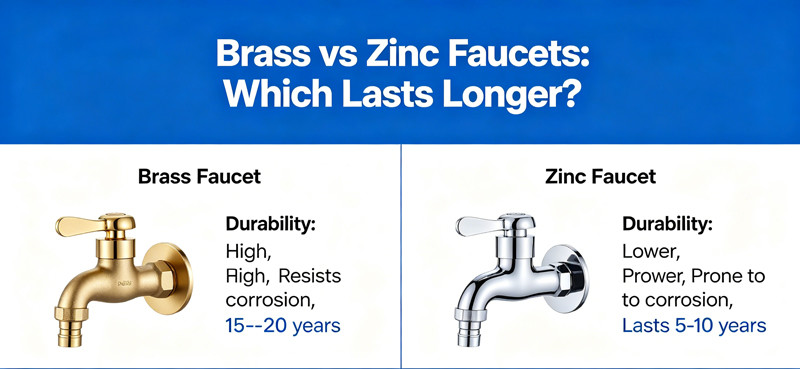
When choosing a faucet, durability is one of the most important factors—especially for kitchens and bathrooms that see daily use. Two of the most common materials you’ll encounter are brass and zinc alloy. At a glance, they can look identical once coated with chrome, matte black, or brushed finishes. But underneath that surface, the materials behave very differently over time.
So which one actually lasts longer? The short answer: brass faucets generally outperform zinc faucets in longevity and reliability. But the full story depends on how each material is made, used, and maintained.
What Is a Brass Faucet?
Brass is a metal alloy made primarily of copper and zinc. It has been used in plumbing for decades due to its strength, corrosion resistance, and reliability.
Key characteristics of brass:
- High durability and structural strength
- Excellent resistance to corrosion and rust
- Naturally antimicrobial properties (thanks to copper content)
- Long lifespan even under frequent use
Many high-quality faucets—especially in mid-range to premium categories—use solid brass bodies.
What Is a Zinc Faucet?
Zinc faucets are typically made from zinc alloy (often called zamak). This material is created by mixing zinc with small amounts of aluminum, magnesium, or copper.
Zinc is widely used because it is:
- Easy to mold into complex shapes
- Lightweight
- Much cheaper than brass
Key characteristics of zinc alloy:
- Lower production cost
- Smooth surface for plating finishes
- Lighter weight
- Less durable than brass
Zinc faucets are commonly found in budget or entry-level products.
Durability: The Biggest Difference
When it comes to lifespan, brass clearly has the advantage.
Brass durability:
Brass is dense and strong, which allows it to:
- Withstand high water pressure
- Resist cracking over time
- Handle frequent daily use
- Maintain structural integrity for years
A well-made brass faucet can easily last 10–20 years or more with proper maintenance.
Zinc durability:
Zinc alloy is softer and more brittle compared to brass. Over time, it may:
- Develop internal corrosion
- Crack under stress or pressure
- Wear out faster in moving parts
Zinc faucets typically last 5–10 years, sometimes less in high-use environments.
Corrosion Resistance
Corrosion is a major factor in faucet lifespan.
Brass:
Brass naturally resists corrosion, especially in water environments. It doesn’t rust like iron and performs well even in humid conditions.
Zinc:
Zinc alloy is more vulnerable to corrosion, especially if the protective outer coating (like chrome plating) gets damaged. Once exposed, the base material can degrade faster.
This makes zinc faucets less suitable for:
- Hard water areas
- Outdoor or humid environments
- Long-term heavy use
Strength and Structural Integrity
Another key difference is how each material handles physical stress.
- Brass is strong and flexible enough to resist cracking
- Zinc is more brittle and prone to fractures over time
This matters for parts like:
- Faucet necks (spouts)
- Handles
- Threaded connections
If a faucet is used frequently—especially in kitchens—brass holds up much better under repeated movement.
Weight and Feel
You can often tell the difference just by holding the faucet.
- Brass faucets feel heavier and more solid
- Zinc faucets feel lighter and sometimes hollow
While weight alone doesn’t determine quality, it’s often a quick indicator of the material used.
A heavier faucet usually suggests a more durable internal structure.
Cost Comparison
Price is one reason zinc faucets are so common.
Brass faucets:
- Higher upfront cost
- Better long-term value
- Less need for replacement
Zinc faucets:
- Lower initial price
- More affordable for budget projects
- May require earlier replacement
If you’re renovating on a tight budget, zinc can be appealing. But if you factor in lifespan, brass often ends up being more cost-effective over time.
Maintenance and Longevity
Both materials require maintenance, but brass is more forgiving.
Brass maintenance:
- Handles cleaning chemicals better
- Less likely to corrode internally
- Longer intervals between repairs
Zinc maintenance:
- Requires more careful cleaning
- More sensitive to scratches and coating damage
- Higher risk of internal wear
If the outer finish of a zinc faucet chips or wears off, the underlying material is more exposed and vulnerable.
Performance in Real-World Use
Let’s look at how each performs in everyday scenarios:
In kitchens:
- Brass handles constant use, high pressure, and temperature changes
- Zinc may wear faster, especially with pull-down or moving spouts
In bathrooms:
- Brass provides long-term reliability
- Zinc works fine for light use but may degrade over time
In commercial settings:
- Brass is strongly preferred
- Zinc is generally not recommended
Which One Should You Choose?
The best choice depends on your needs and budget.
Choose brass if:
- You want long-term durability
- You use your faucet frequently
- You prefer a solid, premium feel
- You want fewer repairs over time
Choose zinc if:
- You’re on a tight budget
- The faucet is for light or temporary use
- You’re renovating a rental property
- Appearance matters more than long-term durability
Final Verdict: Which Lasts Longer?
There’s a clear winner when it comes to longevity:
👉 Brass faucets last significantly longer than zinc faucets
Thanks to their strength, corrosion resistance, and durability, brass faucets are the better investment for most homeowners. While zinc faucets can work well in the short term, they are more prone to wear, damage, and replacement over time.
Final Thoughts
Choosing between brass and zinc isn’t just about price—it’s about how long you want your faucet to last and how well it performs over time.
If you’re looking for a reliable, long-term solution, brass is the smarter choice. It offers durability, stability, and peace of mind, especially in high-use areas like kitchens.
Zinc faucets still have their place, particularly for budget-conscious projects or low-use spaces. But if longevity is your priority, brass remains the gold standard in faucet materials.
In the end, spending a little more upfront on a brass faucet can save you time, money, and frustration down the road.
您好!please sign in