 WEWE Kitchen Faucets
What Is a Brass Faucet with Thread, and How Do You Choose the Right One?
Views:363 classificationProduct
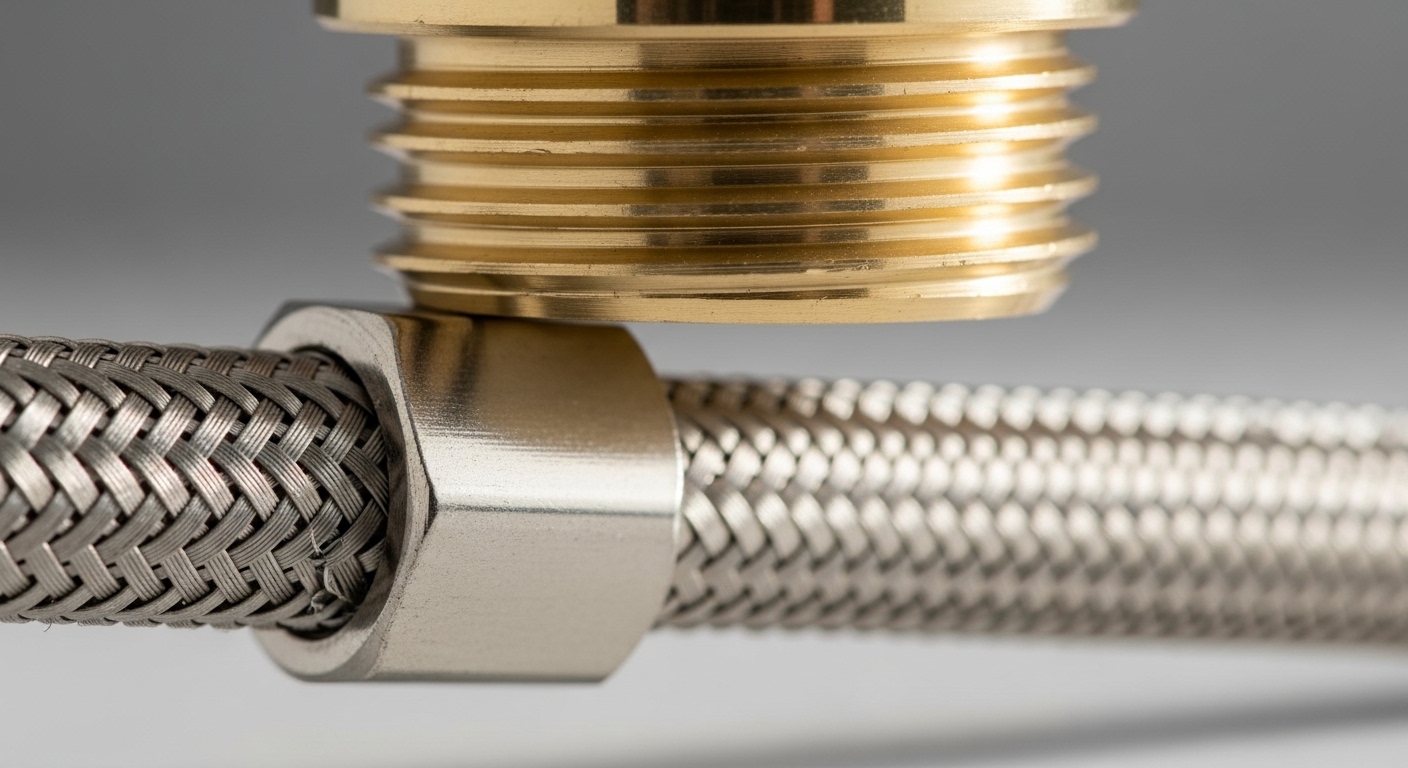
If you’ve been comparing fixtures and keep landing on a brass faucet with thread, you’re already thinking like a pro. The “thread” part matters more than most shoppers realize: it’s the difference between a faucet that screws snugly onto your supply hose and aerator versus one that leaks, strips, or needs three trips to the hardware store for adapters. Brass gives you the durable, corrosion-resistant body; the thread gives you a clean, standardized, reusable connection. Get both right and you have a fixture that installs in minutes and lasts decades.
Below, we’ll answer the real questions people ask before buying — what the threads actually are, which size you need, whether brass is worth the premium, and how to avoid the classic mismatch mistakes — in plain language, with the specs you can act on.
What does “with thread” actually mean on a brass faucet?
“With thread” means the faucet has machined screw threads at its connection points so it mates with standard plumbing components by twisting, not by gluing, soldering, or clamping. On almost every faucet there are two thread locations that matter to you.
- Inlet / shank thread (the supply side): where the faucet connects to your water supply lines. Common standards are 1/2″ NPT (US tapered pipe thread), G1/2″ or G3/8″ BSP (parallel pipe thread common internationally), and on many wall or basin faucets a long threaded shank that takes a mounting nut underneath.
- Aerator / spout-tip thread: where the aerator or spray accessory screws into the spout. The two standard sizes are regular (15/16″-27 male or 55/64″-27 female) and the smaller junior/cache (Tom Thumb) sizes you’ll see on bathroom faucets.
So when a listing says “brass faucet with thread,” it’s telling you the metal is brass and the connection is a standardized screw fitting — which is exactly what you want for a tool-light, adapter-free install. Brass is the ideal material for threads because it’s soft enough to machine cleanly and tough enough that the threads don’t crumble after a few tightenings, unlike cheaper zinc alloy castings. If you’re weighing materials, our breakdown of brass vs zinc faucets and which lasts longer explains why this difference shows up first at the threads.
Which thread size do I need — NPT, BSP, or G3/8″?
For most US homes, the supply inlet is 1/2″ NPT, and the aerator is 15/16″-27 (male) or 55/64″-27 (female). But “most” isn’t “all,” so confirm before you buy — a half-millimeter mismatch is the number-one cause of return-and-rebuy headaches.
Here’s the quick way to identify what you have: NPT threads are tapered (they get slightly narrower toward the end and need thread tape or sealant to seal), while BSP/G-threads are usually parallel (straight, and seal with a washer or O-ring). If your existing supply lines came from a US big-box store, you’re almost certainly on NPT. If your home or the faucet was sourced from Europe, the UK, Australia, or much of Asia, expect BSP (the “G” designation).
| Thread standard | Where it’s common | Profile | Seals with | Typical use on a faucet |
|---|---|---|---|---|
| 1/2″ NPT | USA, Canada | Tapered | PTFE tape / pipe dope | Supply inlet, hose connections |
| G3/8″ (BSP) | EU, UK, Asia, AU | Parallel | Washer / O-ring | Flexible supply hose tails |
| G1/2″ (BSP) | EU, UK, Asia, AU | Parallel | Washer / O-ring | Wall-mount inlets, valves |
| 15/16″-27 M | USA standard | Parallel, fine | Aerator gasket | Kitchen spout tip (male) |
| 55/64″-27 F | USA standard | Parallel, fine | Aerator gasket | Spout tip (female/internal) |
If you’re connecting a sprayer or filter to the spout, the aerator thread is what governs compatibility — and that’s a frequent point of confusion. Our guide to choosing the right faucet sprayer quick connect adapter walks through matching those spout-tip threads exactly so accessories seat without drips.
Is a brass faucet with thread worth the higher price?
Usually, yes — if you value longevity and a reliable, reusable connection. Solid brass with machined threads costs more upfront than zinc-alloy or thin-wall plated faucets, but it resists corrosion, handles repeated tightening without stripping, and survives hard water and temperature swings that crack lesser metals. Over a 10–20 year horizon, the cost-per-year is often lower.
Where brass earns its keep:
- Thread durability. Brass threads don’t gall or crumble the way die-cast zinc does. You can remove and reinstall the aerator or supply line several times over the faucet’s life.
- Corrosion resistance. Brass shrugs off the mineral attack that turns cheap fittings green and brittle. If you’ve ever seen rust bloom at a connection, you’ll appreciate this — and if you’re already dealing with that, see why rust comes out of a faucet and how to fix it fast.
- Lead-safe options. Quality faucets use lead-free brass alloys that meet drinking-water standards (more on that below).
- Heat tolerance. Brass handles hot-water lines without warping, so threaded joints stay tight.
The honest caveat: not every “brass” faucet is solid brass. Some are zinc bodies with a brass-look finish, and some “brass” inlets are only brass at the threaded tip. Weight is your first tell — solid brass feels noticeably heavier. Brass is also enjoying a genuine style revival, which we cover in brass faucets: are they making a comeback? — so you can get the durability and the look at once.
How do I install a threaded brass faucet without leaks?
The short version: match the thread type, seal it correctly for that type, and hand-tighten plus a quarter-turn — don’t gorilla it. Over-tightening cracks fittings and strips threads more often than under-tightening leaks.
Step by step for a standard inlet connection:
- Shut off the supply at the under-sink stop valves and open the faucet to relieve pressure.
- Identify the thread. Tapered (NPT) gets PTFE tape; parallel (BSP/G) gets the supplied rubber washer or O-ring — never rely on tape alone for parallel threads.
- For NPT: wrap PTFE thread-seal tape 3–4 times clockwise around the male threads, then thread the supply line on by hand.
- For BSP/G: make sure the washer is seated, then thread the parallel fitting on by hand until the washer compresses.
- Snug it with a wrench — about a quarter to half turn past hand-tight. Brass threads tell you when they’re home; stop when resistance climbs sharply.
- Screw the aerator into the spout tip by hand (it has a built-in gasket — usually no tape needed).
- Restore water and check every joint with a dry paper towel. A faint damp spot means snug a touch more or reseat the washer.
Before you start, confirm your supply lines actually reach the new inlet position. Rough-in height and stub-out placement trip up more installs than threading does — our bathroom sink supply line height guide has the measurements. And if you’d rather budget the job out, here’s how to save money on faucet installation.
How do I make sure a brass faucet with thread is actually lead-free and safe?
Look for an explicit compliance mark, not just the word “brass.” In the US, faucets touching drinking water must meet the federal “lead-free” definition (a weighted average of ≤0.25% lead on wetted surfaces) and are typically certified to NSF/ANSI 61 and NSF/ANSI 372. Reputable brass faucets are cast from low-lead alloys (often labeled “lead-free brass” or by alloy designation) specifically so the threaded, water-contacting parts stay safe.
Quick checklist before you buy:
- Certification: NSF/ANSI 61 & 372, or a local equivalent (WaterMark in AU, WRAS in the UK).
- Material wording: “lead-free brass” or a stated alloy, not vague “metal” or “brass-finished.”
- Flow rate: the aerator’s GPM rating, which affects both water use and feel — see what GPM means in faucets.
- Warranty: a real, written limited lifetime or multi-year warranty on the body and finish.
For a deeper how-to on verifying the metal yourself, our guide on how to identify lead-free bathroom faucets covers the markings and tests in detail.
Where are threaded brass faucets the right choice — and where aren’t they?
Threaded brass faucets shine anywhere you want a serviceable, adapter-free connection: kitchen sinks, bathroom basins, wall-mounted spouts, utility and laundry sinks, outdoor bibs, and any setup where you’ll attach hoses, filters, or sprayers to the threads. The standardized thread means future accessories just screw on.
They’re less ideal in two cases: ultra-budget temporary installs where a lighter material is “good enough,” and specialized push-fit/quick-connect systems where the plumbing isn’t threaded at all. Even then, a brass threaded faucet usually adapts to those systems with a single fitting. If you’re outfitting an outdoor spigot, pair the brass body with good care habits from how to extend outdoor faucet lifespan, since threaded outdoor connections take the worst of freeze-thaw stress.
Author note & why trust wewefaucet
Author note: This guide was written by the wewefaucet product team — the same people who spec, pressure-test, and field customer questions about thread sizing every week. We’ve handled enough “wrong thread” returns to know that confirming NPT vs. BSP and the aerator size up front prevents 90% of install headaches.
About wewefaucet: wewefaucet (www.wewefaucet.net) designs and sells solid-brass and lead-free brass fixtures for kitchens and bathrooms. Our threaded faucets are manufactured to standard 1/2″ NPT / G-thread inlets and standard aerator threads, leak-tested at the factory, and backed by a written limited warranty. Before you commit, it’s worth reading how to understand faucet warranty terms so you know exactly what’s covered on the body, finish, and cartridge.
FAQ
What size thread is on a standard brass faucet?
In the US, the supply inlet is typically 1/2″ NPT (tapered) and the aerator is 15/16″-27 male or 55/64″-27 female. Outside the US, expect BSP “G” threads such as G3/8″ or G1/2″ (parallel). Always confirm both the inlet and the aerator thread, because a faucet can use one standard for the supply and the standard size for the aerator.
Do I need plumber’s tape (PTFE) on a brass faucet’s threads?
Use PTFE tape on tapered NPT threads, where the seal comes from the threads themselves. For parallel BSP/G threads, the seal comes from a washer or O-ring, so the tape isn’t required — and the aerator usually seals with its own built-in gasket. Using tape where a washer should seal can actually prevent the joint from seating properly.
How can I tell if a faucet is solid brass or just brass-plated?
Weight is the fastest tell — solid brass feels heavy for its size. Check the listing for “solid brass” or “lead-free brass” and a stated alloy rather than “brass finish,” which usually means a brass-look coating over zinc. A strong magnet barely sticks to brass; it grabs steel readily, which helps rule out plated steel.
Are brass faucets with thread safe for drinking water?
Yes, when they’re made from lead-free brass and certified to NSF/ANSI 61 and 372 (or your region’s equivalent). These standards limit lead on the wetted, threaded surfaces that contact your water. Avoid old or uncertified salvage brass faucets, which may contain higher-lead alloys.
Can I attach a water filter or sprayer to a threaded brass faucet?
Usually yes — that’s a key advantage of threaded faucets. Match the accessory to your spout’s aerator thread (regular vs. junior, male vs. female). Many filters and sprayers ship with a small set of adapters; the brass aerator threads give a firm, reusable seat so the accessory won’t wobble or drip.
Why does my new threaded faucet still leak at the connection?
The three usual culprits are a thread-standard mismatch (forcing NPT onto BSP), the wrong sealing method (tape on a parallel thread or a missing washer), or cross-threading from starting the fitting at an angle. Back it off, start the threads by hand until they turn freely, then apply the correct seal for that thread type and snug to a quarter-turn past hand-tight.
您好!please sign in