 WEWE Kitchen Faucets
What Is the Best Bathroom Faucet Cleaner for Hard Water, Chrome, and Brushed Finishes?
Views:46 classificationCompare
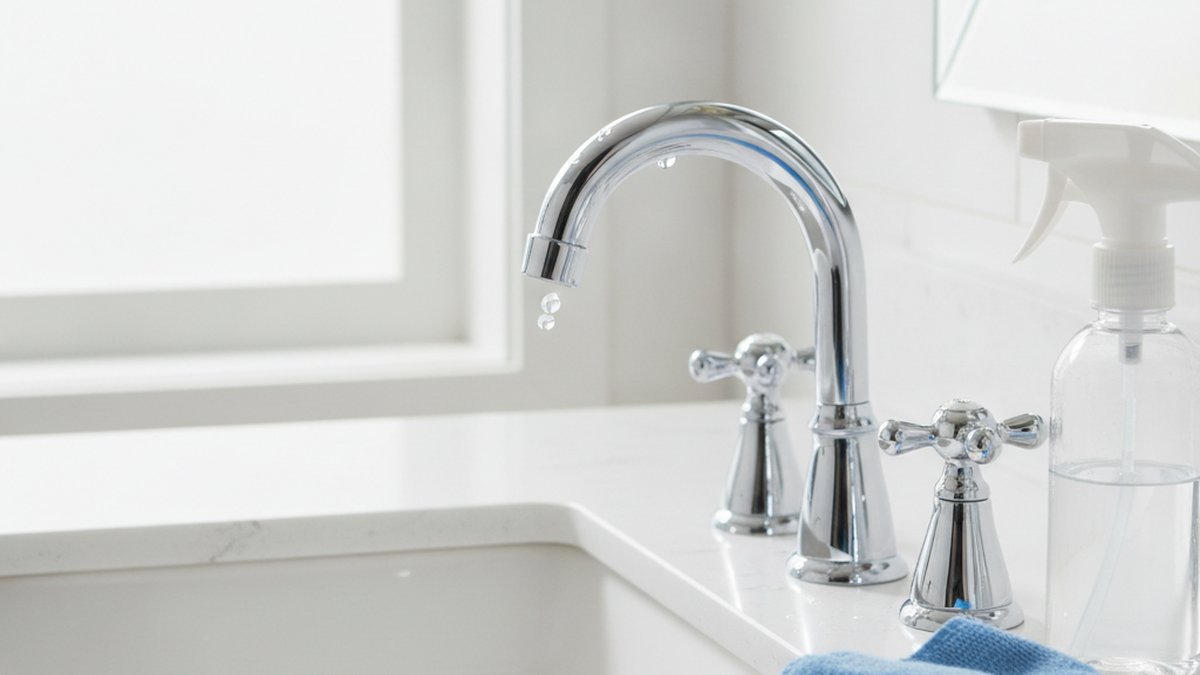
If you’ve been hunting for the best bathroom faucet cleaner, the honest answer is that the “best” one depends far more on your faucet’s finish and your water than on any brand name on the bottle. A cleaner that makes polished chrome sparkle can permanently dull a matte black or brushed gold faucet in a single wipe. So before you spray anything, the real question is: what finish are you cleaning, and are you fighting soap scum, hard-water limescale, or just daily fingerprints?
This guide breaks down exactly what works on each finish, what to avoid, and how to actually clean a faucet so it looks new for years — not just for a day. We test fixtures in real bathrooms with real municipal hard water, so these are the methods we’d use on our own sinks.
What Actually Is the Best Bathroom Faucet Cleaner for Everyday Use?
For 90% of routine cleaning, the best bathroom faucet cleaner is simply a few drops of dish soap in warm water, wiped on with a soft microfiber cloth and buffed dry. That’s it. Dish soap is mildly alkaline, cuts through skincare oils and toothpaste splatter, and is safe on every faucet finish made — chrome, brushed nickel, matte black, brushed gold, and oil-rubbed bronze included.
The mistake most people make is reaching for a heavy-duty spray for a job that needs almost nothing. The other mistake is skipping the last step: drying the faucet. On hard water, the spots you see aren’t dirt — they’re mineral deposits left behind when water evaporates. Buffing the faucet dry after every clean does more to keep it spotless than any specialty product.
- Daily/weekly: warm water + a drop of dish soap + microfiber cloth, then buff dry.
- Weekly to monthly: 50/50 white vinegar and water for hard-water spots (on tolerant finishes only — see below).
- As needed: a pH-neutral metal polish for a mirror shine on chrome and stainless.
How Do You Remove Hard Water Stains and Limescale From a Faucet?
To remove hard-water stains and limescale, spray a 50/50 mix of white vinegar and water onto the deposits, let it sit for 3–5 minutes, gently scrub with a soft toothbrush or microfiber, then rinse thoroughly and dry. For thick buildup around the aerator, soak a paper towel in the vinegar solution, wrap it around the spout, and leave it 10–15 minutes so the acid can dissolve the calcium.
The key word is rinse. Vinegar is a mild acid, and while it dissolves limescale beautifully, leaving it on a finish too long — especially anything plated or coated — can etch or discolor it. Set a timer. If you have persistent aerator clogging or weird flow issues alongside the scale, that’s often a supply and mineral problem worth understanding; our guide on measuring faucet supply line size the right way explains how mineral-heavy water interacts with the parts behind the faucet.
A few things to never do when fighting limescale:
- Don’t use a metal scraper, steel wool, or abrasive “magic” sponges — they leave micro-scratches that trap future grime.
- Don’t mix vinegar with bleach (it releases toxic chlorine gas).
- Don’t let CLR or heavy commercial descalers touch brushed, matte, or PVD-coated finishes without checking the label — many explicitly warn against it.
Which Cleaner Is Safe for My Faucet Finish? (Chrome vs. Brushed Nickel vs. Matte Black vs. Gold)
The safest cleaner depends entirely on your finish: chrome and stainless can handle vinegar and polish; brushed nickel tolerates mild acid but hates abrasives; and matte black, brushed gold, and oil-rubbed bronze should only ever see soap and water. Here’s the quick reference:
| Finish | Best Cleaner | Vinegar OK? | Avoid |
|---|---|---|---|
| Polished Chrome | Dish soap; vinegar for scale; pH-neutral polish for shine | Yes (rinse in 5 min) | Abrasive powders, steel wool |
| Brushed Nickel | Dish soap + microfiber, buffed with the grain | Diluted, briefly | Abrasives, ammonia glass cleaner |
| Matte Black | Warm water + dish soap only | No | Vinegar, bleach, polish, abrasives |
| Brushed Gold / Champagne Bronze | Warm water + dish soap only, dry immediately | No | Acidic descalers, ammonia, abrasives |
| Oil-Rubbed Bronze | Water + mild soap; occasional wax to protect patina | No | Vinegar, any acid, abrasives |
| Stainless Steel | Dish soap; stainless polish with the grain | Yes, briefly | Chlorine bleach, abrasive pads |
The pattern is simple: the shinier and harder the finish (chrome, stainless), the more it can take. The more designer and specialty the finish (matte black, brushed gold, oil-rubbed bronze), the gentler you must be — because that color is usually a thin PVD or powder coat, and acids or abrasives eat right through it. If you’re shopping for a durable everyday finish that’s easy to keep clean, chrome is genuinely the low-maintenance champion; our roundup of a chrome faucet that actually lasts covers why. And if you love the look of gold but worry about upkeep, we walk through exactly that trade-off in our guide to whether a single-handle faucet in gold is worth it.
Should I Buy a Commercial Faucet Cleaner or Just Use DIY?
For most people, a DIY combo of dish soap and diluted white vinegar handles everything a commercial cleaner does, at a fraction of the cost. Commercial fixture cleaners are worth buying in two specific situations: you have very aggressive hard water and want a purpose-made descaler, or you want a pH-neutral spray-and-wipe that leaves a protective, streak-resistant coating with zero mixing.
Here’s how the common options actually stack up:
| Cleaner Type | Best For | Cost | Watch Out For |
|---|---|---|---|
| Dish soap + water | Daily grime, all finishes | Pennies | Won’t remove heavy scale |
| White vinegar (diluted) | Hard-water spots, limescale | Very low | Acidic — not for matte/gold/bronze |
| Baking soda paste | Grout lines, sink basin (not faucet body) | Very low | Mildly abrasive — keep off finishes |
| pH-neutral fixture spray | Streak-free shine, all finishes | $8–15 | Read the label for finish safety |
| Heavy commercial descaler (e.g. CLR) | Severe limescale on chrome/stainless | $6–12 | Never on coated/colored finishes |
One underrated DIY tip: a cut lemon works like mild vinegar and smells better — rub it on chrome hard-water spots, wait a couple of minutes, rinse, and dry. Just keep it off any colored or coated finish, same as vinegar.
How Do You Clean a Faucet Without Leaving Streaks or Water Spots?
To clean a faucet without streaks, always finish by buffing it completely dry with a clean, dry microfiber cloth — streaks and spots are dried minerals and cleaner residue, not scratches. The trick is a two-cloth method: one damp cloth to clean, one bone-dry cloth to buff. Here’s the routine that gets a mirror finish on chrome and a clean, even look on brushed metals:
- Wipe the whole faucet with a microfiber cloth dampened in warm, soapy water to lift oils and dust.
- For spots, mist on 50/50 vinegar (tolerant finishes only), wait 3–5 minutes, then gently scrub with a soft toothbrush.
- Rinse thoroughly with clean water — leftover cleaner is the #1 cause of streaks.
- Buff completely dry with a separate dry microfiber cloth. On brushed finishes, always wipe with the grain, not across it.
- Optional: apply a tiny amount of pH-neutral polish or even a drop of baby oil on chrome for a water-repelling shine.
Don’t forget the base of the faucet where it meets the sink — that seam collects a black or pink film (mold and mineral gunk) that an old toothbrush clears in seconds. And unscrew and soak the aerator every few months; a clogged aerator makes flow weak and splashy, which people often mistake for a bigger plumbing fault.
How Often Should You Clean a Bathroom Faucet, and Does It Prevent Damage?
Wipe your faucet dry daily if you have hard water, do a soapy clean weekly, and a vinegar descale monthly — and yes, regular cleaning genuinely extends a faucet’s life. Limescale doesn’t just look bad; it builds up inside the aerator and cartridge, restricting flow and stressing the valve. Left long enough, mineral buildup contributes to the drips and stiff handles that send people looking for repairs.
Keeping a faucet clean is part of the same maintenance mindset that keeps it from leaking. If you’re already noticing a drip, cleaning won’t fix that — but our walkthroughs on fixing a dripping Delta faucet at home and choosing bathroom faucets under $100 that actually last pair well with a good cleaning habit, because a quality faucet with a solid ceramic cartridge is far easier to keep spotless than a cheap one with a rough, pitted finish.
Our Testing Note & Why You Can Trust This
Every method here was used on live fixtures across chrome, brushed nickel, matte black, and brushed gold faucets in homes with moderate-to-hard municipal water (roughly 7–12 grains per gallon). We deliberately tested vinegar dwell times and abrasive sponges on scrap finished parts to confirm what damages coatings — which is why the warnings above are specific rather than generic.
About wewefaucet: We design and sell bathroom and kitchen faucets, shower systems, and fixtures, and our finishes are built to industry corrosion and durability standards (including salt-spray and abrasion testing) so they hold up to normal cleaning. Most of our faucets carry a limited lifetime finish-and-function warranty — but note that damage from abrasive cleaners, acids, or bleach is excluded by virtually every manufacturer, ours included. That’s not fine print to trap you; it’s the physics of what those chemicals do to a coating.
Author note: This guide was written by the wewefaucet product content team, drawing on hands-on fixture testing and manufacturer care specifications. When in doubt about a specialty finish, always follow the care card that shipped with your specific faucet — the finish chemistry can vary by model.
FAQ
Can I use vinegar on all bathroom faucets?
No. Diluted white vinegar is safe on polished chrome and stainless steel if you rinse it off within about five minutes. Keep it away from matte black, brushed gold/champagne bronze, and oil-rubbed bronze — vinegar’s acidity can etch, discolor, or strip those coated finishes. When unsure, stick to dish soap and water.
What is the best cleaner for a brushed nickel bathroom faucet?
Warm water with a drop of dish soap and a soft microfiber cloth is the best everyday cleaner for brushed nickel. Wipe with the grain, not across it, and buff dry to avoid spots. Skip abrasive pads and ammonia-based glass cleaners, which can dull the brushed texture over time.
How do I get rid of white hard-water buildup on my faucet?
Wrap the spout and aerator in a paper towel soaked in 50/50 white vinegar and water, leave it 10–15 minutes, gently scrub with a soft toothbrush, then rinse and dry. For light spots, a quick vinegar mist and wipe is enough. On non-acid-safe finishes, use a pH-neutral commercial descaler labeled for that finish instead.
Is CLR safe on faucets?
CLR and similar heavy descalers are fine on solid polished chrome and stainless for severe limescale, but they should never touch coated or colored finishes like matte black, brushed gold, or oil-rubbed bronze — they’ll strip the coating. Always check the product’s finish-safety list and rinse thoroughly afterward.
Why does my faucet get spotty again right after I clean it?
Those spots are dissolved minerals left behind when hard water dries on the surface — not dirt. The fix is to buff the faucet completely dry after every use or cleaning, and optionally apply a thin pH-neutral polish that repels water. A whole-house water softener eliminates the problem at the source.
Can I use the same cleaner on my faucet and my sink basin?
Usually not the same technique. A mildly abrasive baking soda paste is great for scrubbing a porcelain or ceramic sink basin, but keep abrasives off the faucet body, where they leave micro-scratches. Use gentle soap or diluted vinegar on the faucet, and save the scrubbing paste for the bowl.
您好!please sign in