 WEWE Kitchen Faucets
Why Is Rust Coming Out of My Faucet, and How Do I Fix It Fast?
Views:360 classificationRepair
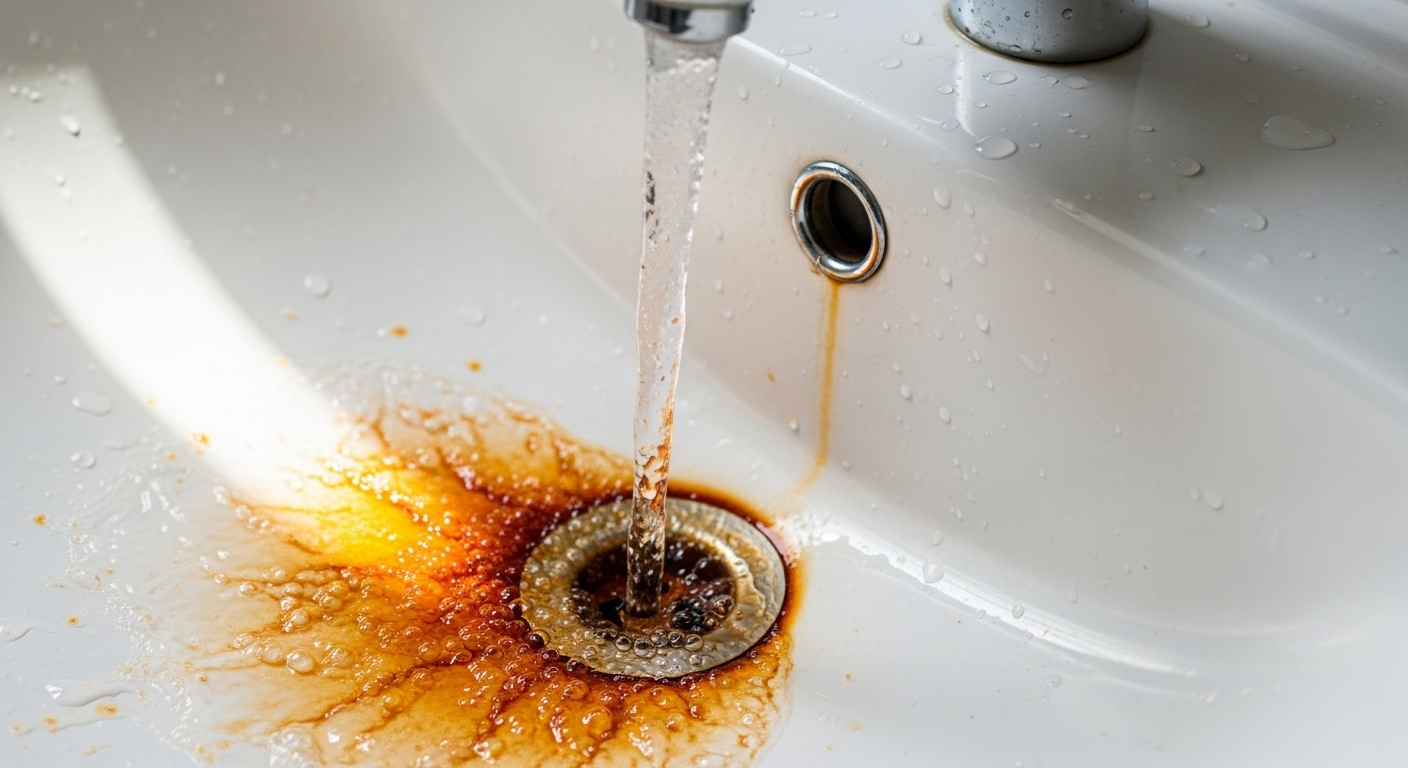
If you’re asking why is rust coming out of my faucet, the short version is that dissolved or flaked iron is traveling through your plumbing and landing in your sink. Rust isn’t generated by water itself — it’s generated by metal that water touches. So that brown, orange, or reddish water is a clue pointing at one specific corroded part of your system, and once you narrow down which part, the fix is usually straightforward. Below, I’ll walk you through how to diagnose it in about ten minutes, what each cause costs to fix, and when it’s actually the faucet that needs replacing.
This matters beyond looks. Rusty water stains laundry and porcelain, tastes metallic, can clog your aerator and cartridge, and in old galvanized systems it signals pipes that are quietly closing up. The good news: it’s rarely a health emergency, and most causes are cheap to fix once identified.
Is rusty water from my faucet dangerous to drink or shower in?
For most people, occasional rusty water is unpleasant but not an immediate health hazard. The iron and sediment that cause the discoloration aren’t toxic at the levels typically found in household plumbing, and the EPA classifies iron as a “secondary” contaminant — meaning it’s regulated for taste, color, and staining, not for safety.
That said, there are real caveats. Don’t drink or cook with visibly rusty water if you can avoid it, and don’t use it for baby formula. Rusty hot water can be a sign of a deteriorating water heater that may also be harboring bacteria. And if the rust appears suddenly alongside a boil-water notice, a recent main break, or a foul smell, treat it as a water-quality issue and call your utility. If the discoloration is constant rather than occasional, it’s worth getting your water tested for iron and lead, especially in homes built before 1986 — see our guide on how to identify lead-free bathroom faucets if you suspect old fixtures.
Is the rust only in my hot water? Then it’s your water heater
If rust shows up only when you run the hot tap, your water heater is almost certainly the culprit. Tanks corrode from the inside out, and the sacrificial anode rod that’s supposed to protect the tank eventually dissolves — once it’s gone, the steel tank itself starts rusting and shedding particles into your hot water.
Here’s the quick test: fill a glass from the cold tap and a glass from the hot tap at the same sink. If cold is clear and hot is rusty, your pipes and city supply are fine — the problem is downstream of the water heater.
- Quick fix (cheap): Drain and flush the tank. Sediment and rust settle at the bottom; flushing a few gallons from the drain valve often clears mild discoloration. Do this annually as maintenance.
- Mid fix ($20–$50): Replace the anode rod. If the rod is the problem and the tank isn’t yet compromised, a new magnesium or aluminum anode can buy years of life.
- Big fix ($1,000–$2,000+): Replace the heater. If the tank is more than 8–12 years old and the rust keeps coming back after flushing, the tank wall is failing and replacement is the only real cure.
Is rust coming from every faucet in the house? Then it’s your pipes or the city main
If both hot and cold water are rusty at multiple faucets, the source is upstream — either your home’s supply pipes or the municipal water main feeding your street. The way to tell them apart is timing and persistence.
City main: Temporary, system-wide rust usually traces to the utility. Hydrant flushing, a nearby main break, or sudden high-demand events stir up iron sediment that’s normally settled in the pipes. This kind of rust typically clears on its own within a few hours. Run a cold outdoor or basement tap for 5–10 minutes; if it runs clear, you’re done. Check whether neighbors have the same issue — if they do, it’s the city’s job, not yours.
Your home’s galvanized pipes: Persistent, gradually worsening rust at every faucet usually means your supply lines are corroding. Galvanized steel pipe was standard in homes built before the 1960s, and its protective zinc coating wears off over 40–60 years, leaving bare steel that rusts from the inside. You’ll often notice it worst first thing in the morning, after water has sat in the pipes overnight.
| Clue | Likely source | Typical fix & cost |
|---|---|---|
| Only hot water is rusty | Water heater tank/anode | Flush ($0) → anode ($20–$50) → replace ($1,000+) |
| All faucets, clears in a few hours | City main / hydrant flushing | Run cold tap, wait it out ($0) |
| All faucets, constant, worst in morning | Corroded galvanized pipes | Repipe to PEX/copper ($2,000–$15,000) |
| One faucet only, both hot & cold | Corroded faucet body or supply line | Replace supply line ($10) or faucet ($60–$300) |
| Rust flecks after sitting unused | Aerator/sediment buildup | Clean or replace aerator ($5–$15) |
Why is only one faucet rusty when the rest are fine?
If a single faucet runs rusty while every other tap in the house runs clear, the problem is local to that fixture — its supply lines, its internal parts, or its aerator. This is the best-case scenario because the fix is cheap and you can usually do it yourself in under an hour.
Start with the easiest suspects and work inward:
- Unscrew the aerator at the tip of the spout. Rust flakes and sediment collect in this little screen. Soak it in white vinegar for an hour, scrub it, and reinstall — or just replace it for a few dollars. If you also notice weak flow, our explainer on how faucet aerators work covers why a clogged one tanks your pressure.
- Inspect the flexible supply lines under the sink. Cheap braided or older corrugated lines rust internally and shed iron. New stainless braided lines cost about $8–$15 each.
- Look at the faucet body itself. Lower-cost faucets often use zinc-alloy or low-grade internal components that corrode faster than solid brass. If the inside of the faucet is rusting, replacement is the fix — and it’s worth understanding why some faucets corrode in a few years while others last decades. Our breakdown of brass vs. zinc faucets and which lasts longer explains exactly what to look for.
Outdoor faucets (hose bibs) are especially prone to this because they’re exposed to weather and often the oldest, cheapest fixtures in the house. If your rusty tap is outside, our guide on how to extend outdoor faucet lifespan covers prevention and replacement.
How do I get rid of rusty water from my faucet right now?
To clear rusty water immediately, run the cold tap closest to where the water enters your home (often a basement or utility sink) at full blast for 5–10 minutes to flush sediment through the line. If it’s a temporary city-main event, this is often all you need.
Here’s the full step-by-step troubleshooting routine:
- Run cold water for 5–10 minutes at the affected faucet. Temporary rust from disturbed sediment clears on its own.
- Isolate hot vs. cold — fill two glasses and compare. Hot only = water heater.
- Check other faucets — one faucet vs. all faucets tells you local vs. whole-house.
- Ask a neighbor — if they’re rusty too, it’s the city main; call your utility.
- Clean the aerator and inspect supply lines for the affected fixture.
- Flush the water heater if hot water is the issue.
- Test your water if rust is constant — a $15–$30 iron test kit or a lab test tells you concentration and whether lead is present.
Should I install a filter or just replace the faucet?
Replace the faucet if the corrosion is inside the fixture; add a filter if the iron is coming from your water supply and you can’t easily repipe. These solve different problems, and choosing wrong wastes money.
A point-of-use or whole-house sediment/iron filter makes sense when your water has measurable dissolved iron from a well or aging municipal lines — a filter won’t help if the rust is being generated by the faucet itself sitting at the end of the line. If you’re weighing filtration options for taste and discoloration, our comparison of a faucet water filter vs. a pitcher helps you decide what level of filtration fits your situation and budget.
Replace the faucet when the fixture is the source — visible internal rust, a corroded body, or a tap that keeps producing flecks even after you’ve cleaned the aerator and confirmed clean water at the wall. When you do replace it, choose a solid-brass or high-grade stainless body with a quality cartridge; the upfront premium of $40–$80 typically pays for itself in years of corrosion-free service. Before you buy, it’s worth reading the fine print — our guide to understanding faucet warranty terms shows which warranties actually cover finish and cartridge corrosion.
How do I prevent rust from coming back?
The most effective prevention is removing the conditions that let metal corrode: stagnant water, dissolved oxygen and minerals, and low-quality fixtures. You can’t change your city’s water, but you can control your own plumbing.
- Flush your water heater annually and replace the anode rod every 3–5 years to stop tank corrosion before it starts.
- Run water in rarely-used faucets weekly so iron doesn’t sit and oxidize in the line.
- Replace galvanized pipe with PEX or copper if your home still has it — this is the permanent cure for whole-house rust.
- Buy quality fixtures. A solid-brass body resists corrosion far longer than budget zinc-alloy castings.
- Soften very hard water if scale is accelerating corrosion, and consider iron filtration for well water.
- Clean aerators a few times a year to catch sediment before it discolors your flow.
About the author & why you can trust this guide
This guide was written by the product and plumbing-education team at wewefaucet, where we design, pressure-test, and stress-test faucets and bathroom fixtures for real-world durability. Our test bench evaluates faucet bodies against salt-spray corrosion and our cartridges are cycle-tested for long-term reliability, in line with the kind of performance standards behind certifications like NSF/ANSI 61 and 372 (lead content) that govern drinking-water fixtures in North America. We’ve helped thousands of homeowners diagnose discolored water, and the troubleshooting steps above reflect what actually resolves it in the field — not generic filler. When we recommend replacing a fixture, we recommend choosing one backed by a genuine manufacturer warranty that covers finish and internal corrosion.
FAQ
Why is rust coming out of my faucet only in the morning?
Morning-only rust means water has been sitting still in your pipes overnight, giving dissolved iron time to oxidize and settle. When you open the tap, the first slug of stagnant, iron-rich water comes out discolored, then clears. This usually points to corroding galvanized pipes or an aging water heater. Run the tap for a minute and if it clears, the source is upstream stagnation; if it’s persistent, your supply lines likely need attention.
Can a rusty faucet make me sick?
Rust (iron oxide) in water is generally not toxic at household levels — the EPA treats iron as an aesthetic, not a health, concern. However, you shouldn’t drink heavily discolored water, use it for infant formula, or ignore it long-term, since chronic rust can accompany lead from old fixtures or bacteria in a failing water heater. If rust is constant, get your water tested for iron and lead.
How much does it cost to fix rusty water from a faucet?
It ranges widely by cause: flushing a water heater is free, a new anode rod is $20–$50, a new aerator or supply line is $5–$15, a replacement faucet is $60–$300, and repiping a whole house of galvanized lines runs $2,000–$15,000. Diagnosing which part is corroding first — using the hot-vs-cold and one-faucet-vs-all tests — saves you from spending on the wrong fix.
Why is my brand-new faucet already producing rusty water?
A new faucet running rusty almost always means the rust is coming from your existing pipes or supply lines, not the faucet — the new fixture is just delivering water that was already discolored. Occasionally, a very low-grade faucet with zinc-alloy internals can corrode quickly, but in a new install the usual culprit is old galvanized plumbing or a corroded shutoff valve and supply line behind the fixture.
Does rusty water mean I need to replace all my pipes?
Not necessarily. Whole-house repiping is only needed when corroding galvanized steel pipe is the confirmed source — indicated by persistent rust at every faucet that gets worse over time. If the rust is limited to hot water (water heater), one fixture (local faucet/line), or temporary events (city main), repiping is overkill. Diagnose first, then fix only what’s actually corroding.
Will a water softener stop rust coming from my faucet?
A standard water softener removes hardness minerals and small amounts of dissolved (clear-water) iron, but it’s not designed to handle heavy rust (ferric/red-water iron) or rust generated by your own corroding pipes and fixtures. For visible rust particles you typically need a dedicated iron filter or sediment filter, and if your faucet body or pipes are the source, filtration won’t fix it — replacement will.
您好!please sign in